
The first months of a hunting dog’s life shape the rest of its career. A puppy that meets birds, water, and gunfire the right way grows into a confident, eager hunter. A puppy that has a bad first experience can carry that fear for years. Our puppy training program gives your young dog the right start, building desire and confidence before formal hunt training begins.
Why Start Early
Puppies learn fast, and what they learn early tends to stick. That’s good news when the experiences are positive. Early exposure in a controlled, low-pressure setting teaches a puppy that birds are exciting, water is fun, and the sound of a gun means something good is about to happen.
The goal at this stage isn’t polish. It’s building a puppy that loves the work and is ready to learn more.
What Your Puppy Will Experience
Birds. Controlled introductions to birds that spark natural prey drive and interest, without overwhelming a young dog.
Gunfire. A careful, gradual introduction to the sound of a gun, paired with birds and fun so the puppy links gunfire with good things. Done right, this prevents gun shyness before it starts.
Water. Relaxed introductions at our training ponds, letting the puppy build confidence at its own pace, from wading to swimming.
Cover and terrain. Time in fields, grass, and woods on our 180 acres, so your puppy learns to move through the kind of ground it will hunt.
Scent. Game-based scent work that starts developing your puppy’s nose. For some dogs, this is the first step toward blood trail tracking or shed hunting.
Basic obedience. Simple commands like here, sit, and kennel, taught in short, positive sessions that fit a puppy’s attention span. See our full obedience training program for more.
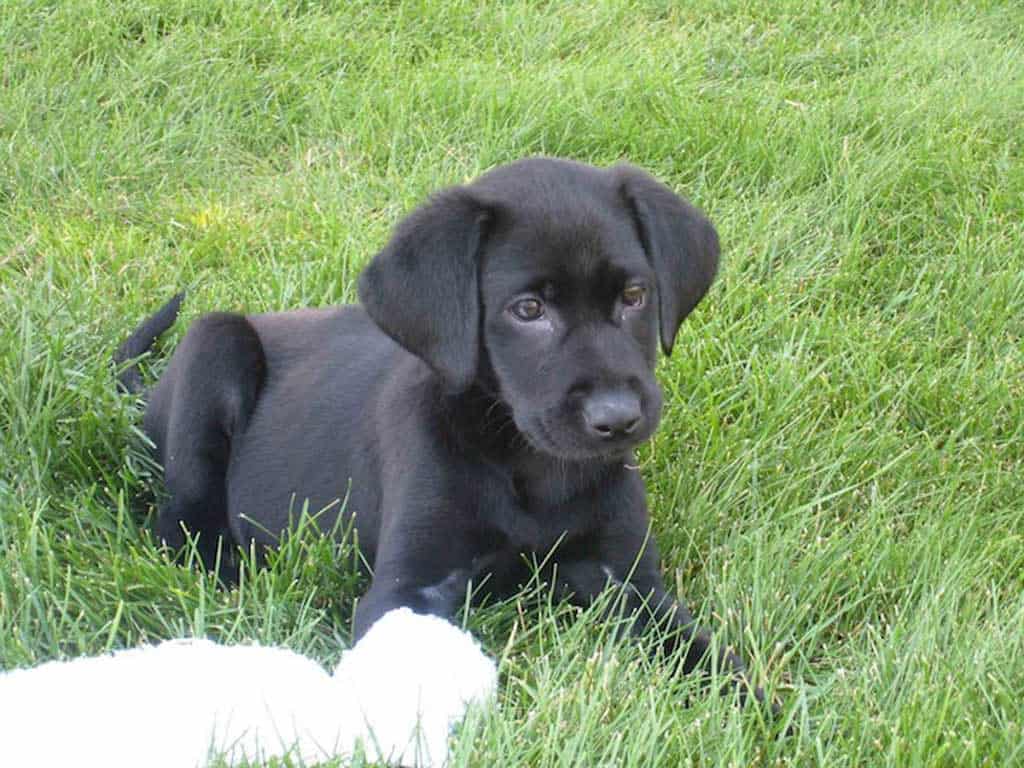
A Pace That Fits Your Puppy
Every puppy is different. Some charge into water on day one, and some need time. We read each puppy and move at its pace, keeping sessions short and upbeat. Pushing a young dog too hard, too soon, is one of the most common mistakes in training, and we avoid it.
How Long Does It Take?
Puppy foundation programs often run 4 to 6 weeks. We’ll talk through the right timing for your puppy during your consultation.
What Comes Next
When your puppy finishes its foundation work, it’s ready to move into formal training for the job you have in mind. That could be retriever training, upland bird dog training, or versatile dog training.
Before your puppy goes home, Chris walks you through what it has learned and how to keep building on it, so the progress continues at home.
Vaccinations
Puppies must be current on age-appropriate vaccinations, including Bordetella. Please bring a complete shot record at drop-off.
Puppy Training FAQs
Ask us about your puppy’s age and vaccination status, and we’ll tell you when it can start.
No. A careful, gradual gunfire introduction is designed to prevent gun shyness, not cause it.
Yes. Retrievers, pointing breeds, flushing breeds, and versatile breeds all benefit from early foundation work.
Talk to us when you pick up your puppy. We can help plan the right start for your dog.
Ready to talk about your dog?
Training openings, tracking calls, and Pudelpointer litters are limited — reach out and we’ll figure out the right fit. 14065 185th Avenue NE, Foreston, MN 56330.