
Retriever Training for the Marsh and the Field
A good retriever makes every hunt better. It marks the bird, holds steady until it’s sent, and brings it back to hand, whether the bird fell in open water, heavy cattails, or a cut cornfield. At Granite Ledge Kennels, our retriever training program builds those skills step by step for Labs, Goldens, Chesapeakes, and other retrieving breeds headed for duck blinds and goose fields.
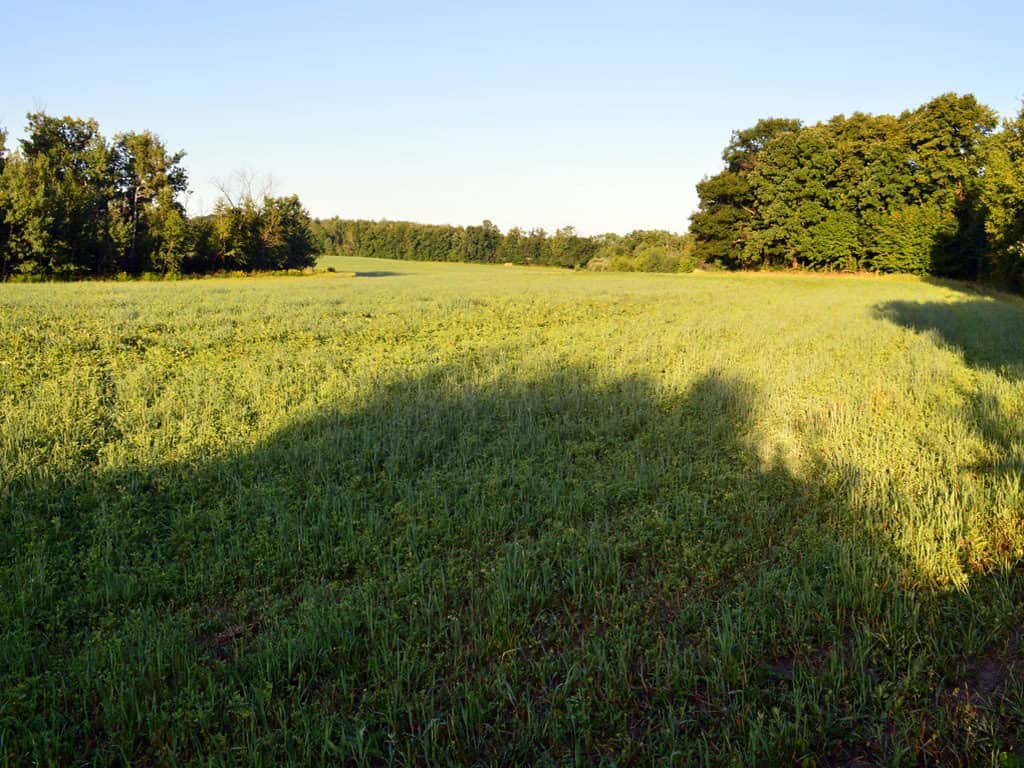
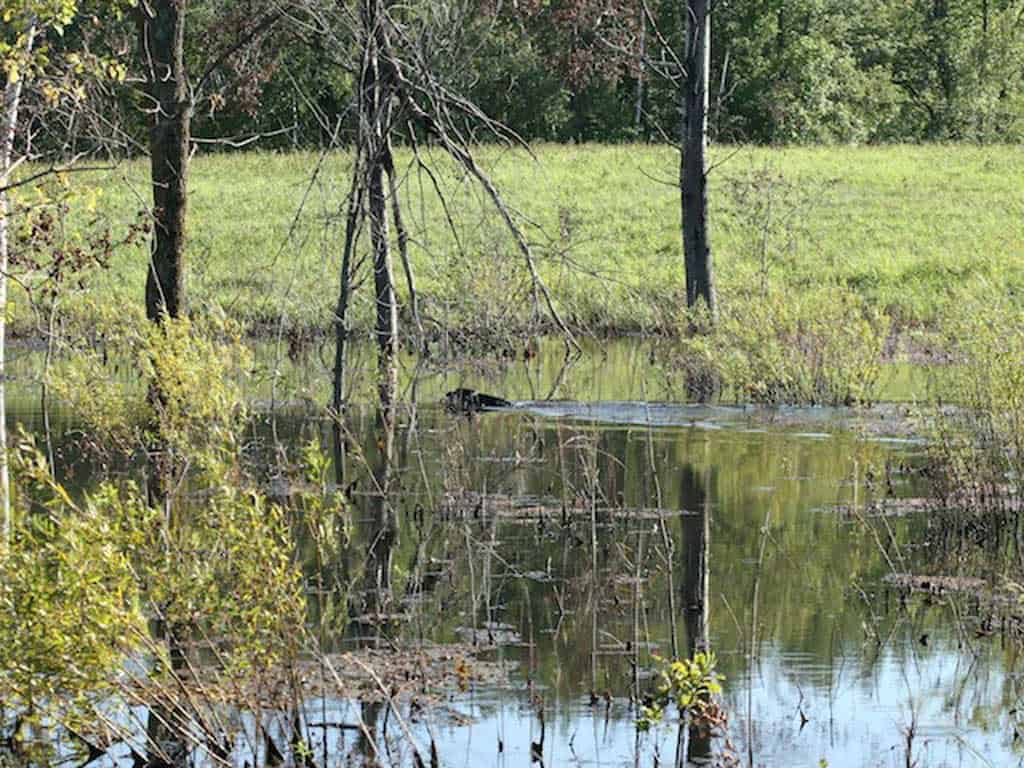
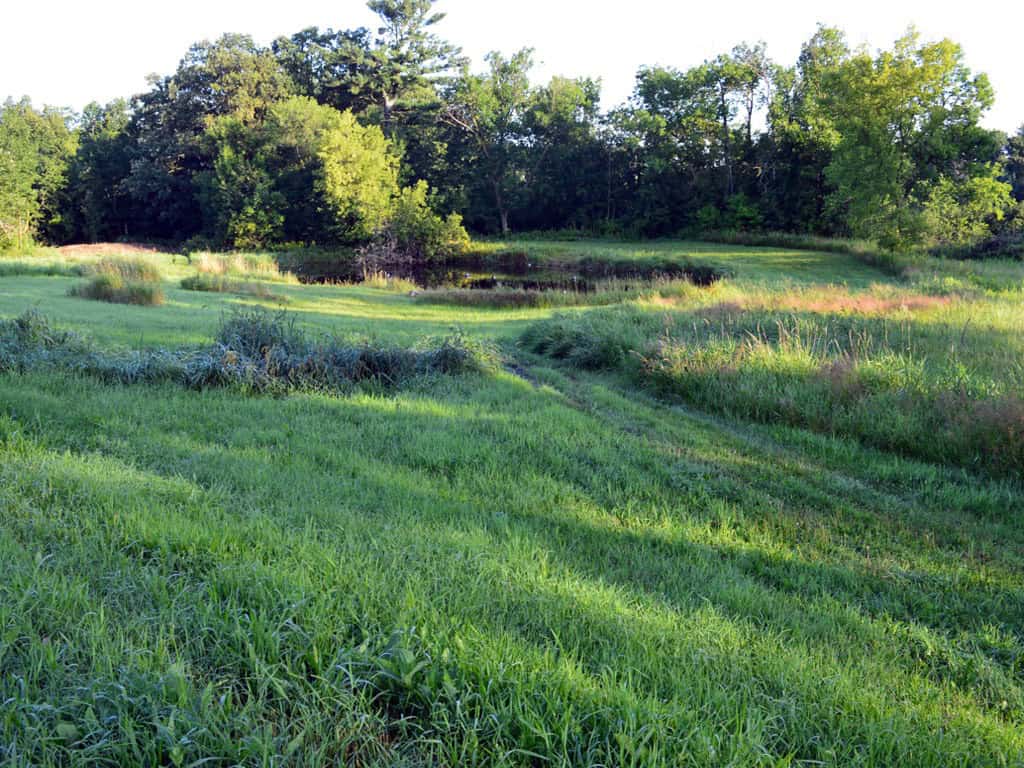
Training takes place on our 180 acres near Foreston, Minnesota, with training ponds, cover, and open ground that let us train in conditions close to what your dog will see on opening day.
What Your Retriever Will Learn
Marking. Your dog learns to watch a bird fall, remember the spot, and go straight to it. We build marking from short, simple singles to longer marks and multiple birds down.
Steadiness. A dog that breaks on the shot can spook birds, cross a line of fire, or ruin a setup. We teach your retriever to sit quietly through calling, shooting, and falling birds until it hears its name.
Delivery to hand. Birds come back to you, not dropped at the water’s edge. A clean, soft delivery saves cripples and saves you from wading.
Blind retrieves. Not every bird is seen. Your dog learns to take a line, stop on the whistle, and follow hand signals to a bird it never saw fall.
Water work. Entries, long swims, decoy spreads, and returns through cover. Our training ponds let us build water confidence and good habits before your dog faces cold, rough water in November.
Built for the Way You Hunt
A dog for a layout blind in a goose field needs different polish than a dog for a canoe in wild rice. During your consultation, Chris will ask how and where you hunt, then shape the program around it. That may mean more time on blind and boat manners, more steadiness around decoys, or more upland retrieving if your dog also flushes pheasants.
If you’d like your retriever to also work upland birds, see our upland bird dog training program.
How the Program Works
Every dog starts with an evaluation of its obedience, drive, and current retrieving skills. From there, training builds in layers: obedience and steadiness first, then marks, then handling and blind retrieves. Dogs move ahead when they’re ready, not on a fixed schedule.
Strong obedience is the base for everything in retriever work. If your dog doesn’t yet sit, stay, and come reliably, we’ll start there.
Before your dog goes home, Chris walks you through the commands and techniques used, so the training holds up under your own handling in the field.
What to Bring
Dogs must be current on vaccinations, including Bordetella. Please bring a complete shot record at drop-off.
Retriever Training FAQs
Labrador Retrievers, Golden Retrievers, Chesapeake Bay Retrievers, and other retrieving breeds. We also train versatile breeds, like the Pudelpointer, for retrieving as part of our versatile dog training program.
Formal retriever training usually starts after a dog has solid basic obedience. Younger dogs do well in our puppy training program first.
It depends on your dog and your goals. A dog learning basic marks needs less time than one learning blind retrieves. We’ll give you a timeline after the evaluation.
Yes. Many older dogs benefit from a tune-up on steadiness or delivery before the season.
Ready to talk about your dog?
Training openings, tracking calls, and Pudelpointer litters are limited — reach out and we’ll figure out the right fit. 14065 185th Avenue NE, Foreston, MN 56330.