
Teaching Your Retriever to Bring Birds All the Way Back
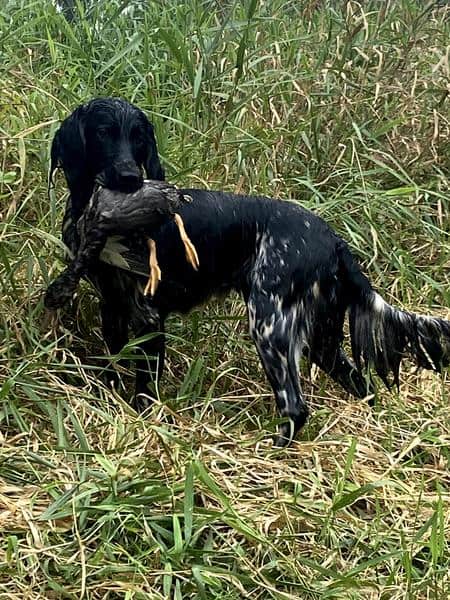
A retrieve isn’t finished when the dog picks up the bird. It’s finished when that bird is in your hand.
I’ve watched it happen more times than I can count. A Lab makes a great swim through the decoys, grabs a drake, and hauls it back toward the blind. Then, three feet from shore, he drops it to shake. The duck isn’t dead. It dives, surfaces twenty yards out, and the whole retrieve starts over, if you’re lucky enough to find it at all.
That’s why delivery to hand is one of the core skills in our retriever training program here at Granite Ledge Kennels. Birds come back to you, not dropped at the water’s edge. A clean, soft delivery saves cripples and saves you from wading. Here’s how I think about it, and how I teach it.
Why Delivery to Hand Matters
A lot of hunters figure that if the bird ends up near the blind, that’s good enough. I don’t agree, and here’s why.
Cripples get away. A wing-tipped duck or a winged rooster is very much alive. The moment a dog sets it down, it’s gone, into the cattails, under the water, or across the cut corn. A dog that holds until you take the bird keeps that from happening. Recovering every bird you knock down is part of hunting ethically, and your dog is the best conservation tool you own.
You stay dry. In November in Minnesota, nobody wants to wade out in chest waders, or worse, without them, because the dog left a bird bobbing at the edge of the ice. Same goes for a layout blind in a goose field. You shouldn’t have to climb out every time a bird comes back.
The birds stay table-ready. A soft mouth and a calm hold mean no torn skin, no crushed breasts, and no birds chewed into something you’d rather not eat.
It keeps the hunt moving. When birds come straight to hand, your dog is back in position and steady before the next flock works the spread.
What a Good Delivery Looks Like
When I evaluate a finished retriever, here’s what I want to see from the pickup to the release:
- A quick, clean pickup. No mouthing, rolling, or rearranging the bird at the fall.
- A centered, balanced carry. The bird is held across the middle of the body, head up, not dangling from a wing or a foot.
- A straight return. No detours, no victory laps, no stopping to drop and re-grip.
- A calm hold at the finish. The dog sits at heel or comes to front and holds the bird quietly. No chomping, no rolling it around.
- A release on command. The dog lets go when I say so, and not before. A dog that spits the bird out the instant it arrives will eventually spit one out before it arrives.
The word I use most is soft. A soft mouth holds firmly enough that the bird doesn’t slip, and gently enough that it comes to hand undamaged.
How I Teach Delivery to Hand
I don’t teach delivery out on the pond first. I teach it close, calm, and in pieces, then add distance and distraction once each piece is solid. Like everything else in our program, dogs move on when they’re ready, not on a calendar.
- Hold. It starts with the dog sitting beside me and learning to hold a bumper quietly in its mouth. No chewing, no spitting it out, no rolling it around. I’ll gently support under the chin if needed. When the dog holds calmly, I take it with a release command. That release command matters as much as the hold.
- Hold while moving. Next the dog holds while I walk, then while it heels, then while it comes to me from a short distance. A lot of dogs that hold fine sitting still will drop the moment their feet start moving. We fix that here, not in the field.
- Short retrieves to hand. Now we put it together with short, easy retrieves. Every one ends the same way: the dog arrives, sits, holds, and releases when told. I’d rather do ten short, perfect retrieves than one long, sloppy one.
- Change the object. Bumpers are easy. Birds are not. We progress to bird wings and scented bumpers, then dead birds, then cold game, and finally fresh-shot birds. Each new texture and smell can bring back old habits, so I go slowly.
- Add distance, cover, and water. Once the hold is reliable, delivery gets built into marks, blinds, and water retrieves. The dog has to keep the same manners after a long swim or a tough run through cattails.
- Proof it in real conditions. Last, we test it with the things that break delivery: gunfire, decoys, other dogs, a cold shoreline, and fresh birds that flop. That’s when you find out whether the training really holds.
Some dogs need more structure than others to build a reliable hold, especially dogs that have already learned to drop or mouth birds. During the evaluation I’ll look at your dog’s habits and temperament and tell you what approach I’d recommend.
Delivery Problems I See Most Often
Most delivery problems are habits the dog was allowed to practice. The good news is that habits can be retrained, even in older dogs.
Dropping the bird short. The dog comes most of the way and sets the bird down a few feet away. Usually the hold was never fully taught, or the dog got praised for “close enough.” We go back to hold work and only reward completed deliveries.
Hard mouth. Crunching, chomping, or tearing birds. This often comes from excitement, competition with other dogs, or a bird that flopped and the dog clamped down. We slow everything down, build a calm hold, and reintroduce live and fresh birds carefully.
Mouthing and rolling. The dog keeps adjusting its grip, chewing, or rolling the bird on the way back. Calm, steady hold work in short sessions fixes most of this.
Keep-away and victory laps. The dog loves the bird and doesn’t want to give it up. A reliable recall and a clear release command are the cure, and I never chase a dog that’s doing it.
Freezing on the bird. Some dogs won’t release when you reach for it. We practice the release until letting go is as automatic as picking up.
Water Deliveries and the Shake
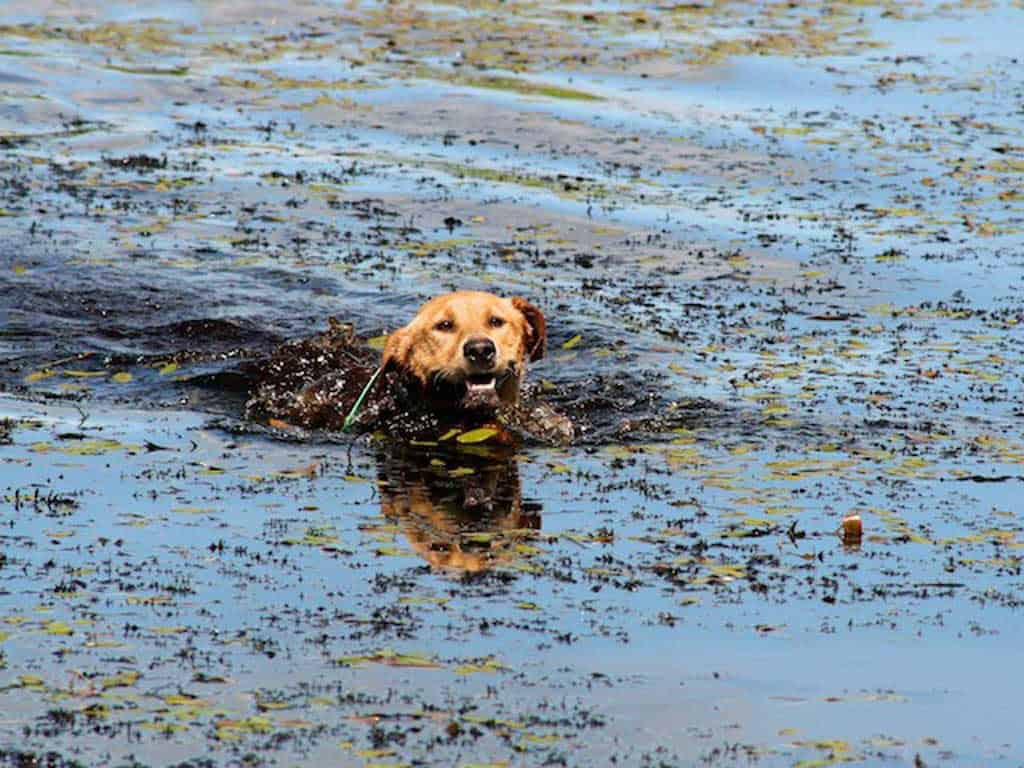
The water’s edge is where most deliveries fall apart. A dog comes out of cold water, and every instinct says to drop the bird and shake. Drop it there, and a crippled duck slips right back in.
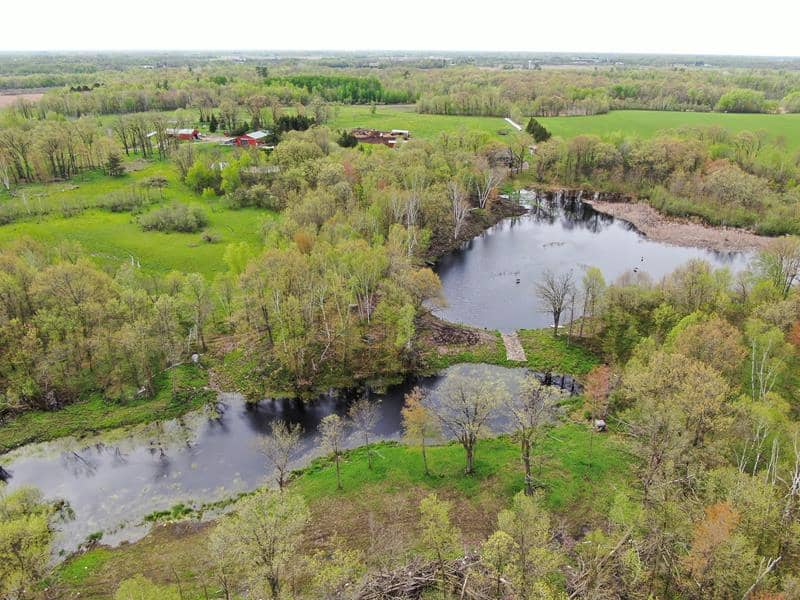
So I teach that the shake comes after the delivery. The dog comes out of the water, keeps coming, and delivers to hand before it shakes. Our training ponds on 180 acres near Foreston let me rep this over and over in calm conditions, so the habit holds when your dog is wet, cold, and excited on a November marsh.
The same goes for boats and canoes. A dog delivering into a canoe in wild rice or onto a layout blind needs to hand that bird over without tipping you, dropping it in the bottom of the boat, or setting it on the gunwale. During the consultation I’ll ask how you hunt so we can practice the delivery you’ll actually need.
Get Your Retriever Delivering to Hand
Delivery to hand isn’t flashy. Nobody brags about it at the boat launch. But it’s the difference between a bird in the bag and a cripple you never find, and between staying dry and wading into November water.
Whether you have a young Lab starting out or an older dog that’s picked up some bad habits, we can help. Many older dogs do great with a pre-season tune-up on delivery and steadiness. Every dog starts with an evaluation, and before your dog goes home I’ll walk you through the commands and techniques we used so the training holds up in your hands.
Training openings are limited. Call me at (612) 490-4802, email chris@graniteledgekennels.com, or learn more about our retriever training in Minnesota.
— Chris, Granite Ledge Kennels, Foreston, MN\
Ready to talk about your dog?
Training openings, tracking calls, and Pudelpointer litters are limited — reach out and we’ll figure out the right fit. 14065 185th Avenue NE, Foreston, MN 56330.