
The Ultimate Guide to Hunting Dog Breeds: Finding Your Perfect Partner
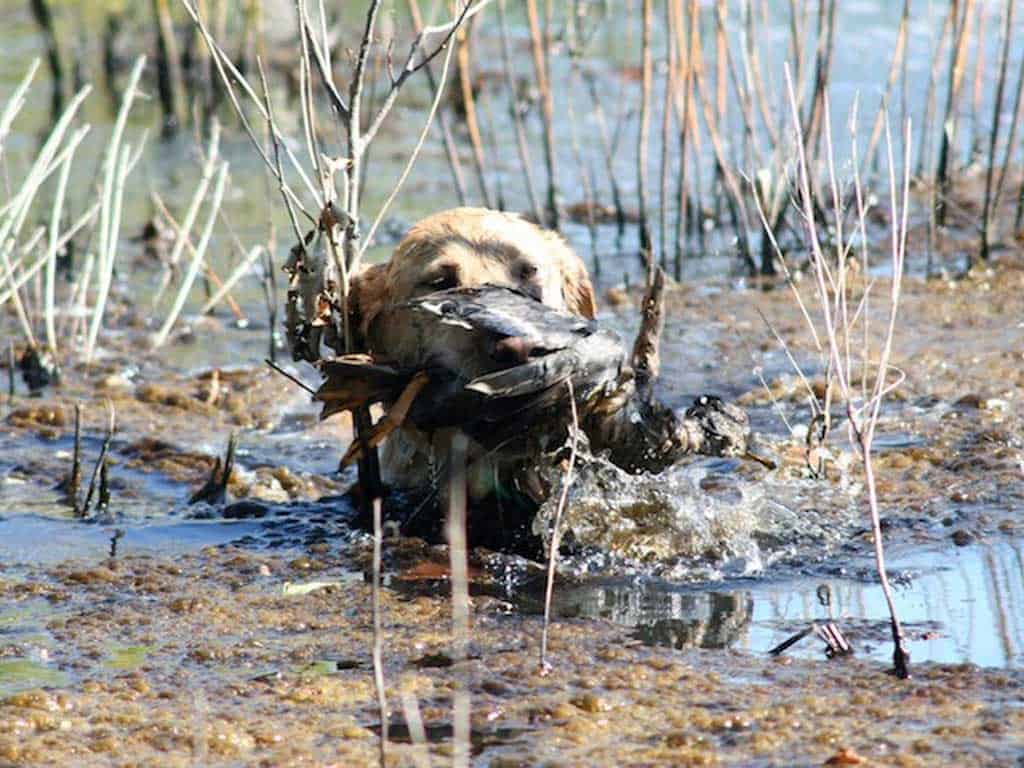
For centuries, a unique and powerful partnership has existed between humans and canines, forged in the fields, forests, and wetlands of the world. Hunting dogs are more than just companions; they are highly skilled partners, bred and trained for specific tasks that have been essential to human survival and sport. From the silent point of a setter indicating hidden prey to the powerful retrieve of a Labrador from icy waters, these dogs perform a diverse array of roles that showcase their incredible intelligence, athleticism, and instinct. This enduring alliance is a testament to the deep bond shared between hunter and dog.
The purpose of this guide is to provide a comprehensive overview of the most popular and effective hunting dog breeds. Whether you’re a seasoned hunter looking for your next four-legged partner or a newcomer curious about which breed might suit your needs, this article will navigate the vast world of hunting dogs. We’ll explore their specialized roles, delve into the characteristics of top-performing breeds, and offer crucial advice on how to choose the right dog for your hunting style and family life.
You can expect a deep dive into what makes these animals so special. We will cover everything from the distinct classifications of hunting dogs to the specific traits that make certain breeds excel in the field. Furthermore, we will address the important considerations of training, care, and how these high-energy working dogs can also become cherished family pets. By the end, you’ll have a clearer picture of which hunting breed might be the perfect fit for your adventures. **Key Takeaways**
- Hunting dogs are categorized into specialized groups based on their roles, including Pointers, Retrievers, Flushers, Scent Hounds, and Sight Hounds.
- Top hunting breeds like the Labrador Retriever, German Shorthaired Pointer, and Beagle each possess unique traits suited for specific types of game and terrain.
- Many popular hunting dogs, including the Golden Retriever and Labrador Retriever, are also excellent family companions due to their friendly and trainable nature.
- Choosing the right hunting dog requires careful consideration of your hunting style, living environment, time commitment for training, and the dog’s temperament and health needs.
- Proper training, nutrition, exercise, and field safety are crucial for developing a skilled and healthy hunting partner.
Understanding the Different Types of Hunting Dogs and Their Roles
A hunting dog is a canine that has been specifically bred and trained to assist humans in the pursuit of game. Their primary functions in the field range from locating and tracking prey to flushing it from cover and retrieving it after the shot. These dogs are not just pets; they are working animals with deeply ingrained instincts honed over generations. The collaboration between hunter and dog is a dynamic one, built on communication, training, and a mutual understanding of the task at hand.
Different hunting styles and types of game necessitate a wide variety of canine traits and abilities. A hunter pursuing ducks in a marsh requires a dog that is a strong swimmer and can withstand cold water, while someone tracking rabbits needs a dog with a superior sense of smell and incredible stamina. This need for specialization has led to the development of distinct classifications of hunting dogs, each with its own unique skill set.
These specialized dog classifications help hunters identify the best partner for their needs. The main categories include:
- Pointers and Setters: These dogs are masters of locating upland game birds like pheasant, quail, and grouse. True to their name, they have a powerful instinct to find game and “point” with their body, holding perfectly still to indicate the bird’s location without flushing it. Setters perform a similar function but will often “set” or crouch upon finding game.
- Retrievers: As their name implies, retrievers are specialists in fetching downed game. Breeds like the Labrador and Golden Retriever are renowned for their “soft mouths,” allowing them to carry birds without causing damage. They are exceptional swimmers, making them indispensable for waterfowl hunting.
- Flushers: Unlike pointers that hold steady, flushers work to “flush” hidden game from dense cover, forcing it into the open for the hunter. Spaniels are the quintessential flushing dogs, working in a close, zigzag pattern in front of the hunter to push birds into flight.
- Scent Hounds: This group is defined by an extraordinary sense of smell and the stamina to track game over long distances. Beagles, Foxhounds, and Coonhounds use their powerful noses to follow a scent trail, often giving voice with a distinctive baying to let the hunter know they are on the track.
- Sight Hounds: Built for speed, sight hounds rely on keen eyesight and incredible swiftness to pursue prey. Breeds like the Greyhound and Whippet are classic examples, capable of chasing down fast-moving animals in open country.
- Terriers and Dachshunds: Though smaller, these feisty dogs were bred to “go to ground.” Their job is to pursue vermin or small game like foxes and badgers into their underground dens.
While many breeds are specialists, it’s important to emphasize that some are celebrated for their versatility. These all-around hunting dogs can often perform multiple roles, such as pointing and retrieving, making them a popular choice for hunters who pursue various types of game.
Top Hunting Dog Breeds for Exceptional Performance in the Field
When it comes to high-performance breeds, a select group of dogs consistently stands out for their exceptional skills and unwavering dedication in the field. These elite hunting dogs have been refined through generations of careful breeding to excel in specific hunting scenarios. This curated list highlights some of the most highly regarded breeds, focusing on their primary strengths and the environments where they truly shine. From the icy waters of a duck hunt to the dense thickets of upland terrain, these are the dogs that define excellence in the hunting world.
- Labrador Retriever:
- Primary role: Waterfowl and upland game retrieval.
- Key traits: The Labrador Retriever is perhaps the most iconic water dog. Their eagerness to please, incredible swimming ability, and powerful nose make them a top choice for duck and goose hunters. They are high-energy, durable dogs built to withstand long days and challenging conditions.
- Appearance: Labs are strongly built, medium-sized dogs with a short, dense, water-resistant coat. Their distinctive “otter” tail acts as a rudder in the water. Coat colors are solid black, yellow (ranging from light cream to fox-red), and chocolate.
- German Shorthaired Pointer:
- Primary role: Versatile pointer and retriever for upland birds and waterfowl.
- Key traits: The GSP is the Swiss Army knife of hunting dogs. Known for high intelligence, incredible athleticism, and a strong prey drive, this breed can point, track, and retrieve on both land and water. They are biddable and form a strong bond with their handlers.
- Appearance: This breed has a sleek, athletic build with a short, dense coat. The most common coloring is liver and white, which can appear as solid patches, ticked (small spots), or roan (an even mixture of colored and white hairs). Their intelligent eyes are typically shades of brown.
- Beagle:
- Primary role: Rabbit and hare hunting (scent hound).
- Key traits: With an unrivaled scenting ability, the Beagle is a master at tracking small game. They possess remarkable stamina and are famously vocal, using their distinctive bay to signal they are on a trail. Their friendly and merry disposition makes them a joy in the field.
- Appearance: Beagles are compact, sturdy hounds that look like miniature Foxhounds. They are known for their long, floppy ears that help trap scents and their large, soft, pleading brown or hazel eyes. Their coat is typically a tri-color pattern of black, tan, and white.
- English Springer Spaniel:
- Primary role: Flushing and retrieving upland game.
- Key traits: This energetic and intelligent dog works closely with the hunter to flush birds from dense cover. They are eager to please, possess a good nose, and their compact size allows them to navigate thick brush with ease.
- Appearance: The English Springer Spaniel is a medium-sized dog with a moderately long, feathered coat on the ears, chest, and legs. Their eyes are expressive and convey an intelligent and friendly nature. Common colors are liver and white or black and white.
- Chesapeake Bay Retriever:
- Primary role: Cold-water waterfowl retrieval.
- Key traits: Bred for the icy waters of the Chesapeake Bay, this is an extremely tough and powerful swimmer. Chessies are intelligent but can be more independent than other retrievers. Their defining feature is a dense, oily double coat that provides excellent insulation.
- Appearance: The Chessie is a strong, powerfully built gundog with a distinctive wavy coat on the shoulders, neck, and back. Their coat is oily to the touch and comes in shades of brown, sedge, or deadgrass. A hallmark of the breed is their clear, yellowish or amber-colored eyes.
- Vizsla:
- Primary role: Pointer and retriever for upland game.
- Key traits: Known for being affectionate and forming a tight bond with their owners, the Vizsla is often called a “velcro” dog. In the field, they are energetic, intelligent pointers and capable retrievers with an excellent nose.
- Appearance: The Vizsla is a lean, medium-sized dog with a distinguished, muscular build. Their most recognizable feature is a sleek, short coat in a stunning solid golden-rust color. Their eyes and nose should blend with their coat color.
- Weimaraner:
- Primary role: Versatile gun dog (pointer, retriever, tracker).
- Key traits: Nicknamed the “Gray Ghost” for its stealthy hunting style, the Weimaraner is an intelligent, high-energy, and loyal companion. They have a strong prey drive and require consistent training and a job to do to be happy.
- Appearance: The Weimaraner is instantly recognized by its distinctive short, sleek, silvery-gray coat. They have a graceful, athletic build and striking light amber, gray, or blue-gray eyes. Their long, velvety ears are set high on the head.
- Golden Retriever:
- Primary role: Waterfowl and upland game retrieval.
- Key traits: The Golden Retriever is an exuberant and friendly gundog known for its intelligence and eagerness to please. They are excellent workers in the field, capable of retrieving game from both land and water thanks to their strong swimming ability and a “soft mouth.”
- Appearance: A sturdy, muscular dog of medium size, the Golden is famous for its dense, lustrous double coat of gold, which can range from light to dark shades. They have a broad head with friendly, intelligent eyes and short ears.
- American Foxhound:
- Primary role: Fox hunting (scent hound).
- Key traits: Bred for stamina and a superior nose, the American Foxhound is a determined tracker. They are known for their musical bay, which they use to communicate with the hunter while on a trail. They are independent but even-tempered and sociable.
- Appearance: This large hound has a long, lean frame built for running. They have a short, hard coat that can come in any hound color, though tri-color is common. Their expression is gentle, and they have long, low-set ears.
Versatile Hunting Dogs: Excelling in Multiple Hunting Disciplines
A “versatile” hunting dog is one that has been bred to perform a variety of tasks in the field, rather than specializing in a single discipline. These multi-purpose hunting breeds are highly valued by hunters who don’t limit themselves to one type of game or hunting environment. A versatile dog might be expected to point upland birds, retrieve waterfowl from a lake, and track wounded game through dense forest, all with equal skill and enthusiasm. This adaptability makes them some of the most sought-after adaptable hunting companions.
The primary advantage of owning an all-around hunting dog is flexibility. A hunter can pursue ducks in the morning and pheasants in the afternoon with the same canine partner. This is not only convenient but also fosters a deeper, more complex working relationship between dog and handler. These dogs are intelligent, trainable, and possess a balanced set of instincts that allow them to switch gears depending on the situation. For the hunter who enjoys variety, a versatile breed is often the perfect solution.
Several breeds are renowned for their remarkable versatility:
- German Shorthaired Pointer: As mentioned earlier, the GSP is the epitome of a versatile hunting dog. Their ability to point, retrieve, and track on both land and water makes them a top choice for hunters who do it all. Their intelligence and biddable nature mean they take to diverse training challenges with gusto.
- Brittany:
- Versatility: The Brittany is an excellent pointer, flusher, and retriever, primarily for upland birds. Though often called a spaniel, their working style is more like a pointer or setter, and they are adept at both locating and fetching game.
- Key traits: This breed is compact, energetic, and intelligent. They are known for being sensitive and eager to please, forming a very close bond with their handlers.
- Appearance: The Brittany is a medium-sized, leggy dog with a dense, feathered coat that is often orange and white or liver and white. They are known for their alert, eager expression.
- Vizsla: This Hungarian breed is another standout in the versatile category. The Vizsla’s dual role as a skilled pointer and a gentle-mouthed retriever makes it a superb companion for upland hunting. Their affectionate, sensitive nature and desire to stay close to their handler translate into a highly cooperative partner in the field.
- Pudelpointer:
- Versatility: The Pudelpointer was specifically developed in Germany to be the ultimate versatile hunting dog, combining the traits of the Poodle and the English Pointer. They are exceptional at pointing, tracking, and retrieving on both land and in water.
- Key traits: They are known for their intelligence, calm demeanor, and eagerness to please. Their dense, wiry coat protects them from harsh weather and dense underbrush.
- Appearance: This is a medium-sized, well-muscled dog. Their hallmark is a wiry, dense coat that is typically brown or black. They have an intelligent expression, often accentuated by a beard and eyebrows.
Imagine a day in the field with one of these adaptable hunting companions. You might start in a duck blind, where your dog waits patiently before making a difficult retrieve in cold water. Later, you could move to a field of tall grass, where the same dog works methodically to locate and point a hidden pheasant. This ability to seamlessly transition between different tasks and environments is what makes versatile hunting dogs so incredibly valuable.
The Best Hunting Dogs That Are Also Great Family Companions
For many hunters, the ideal canine partner is one that excels in the field but can also seamlessly integrate into family life. The search for the best family hunting dog is a common one, driven by the desire for a companion that can be a fierce and focused hunter one day and a gentle, patient playmate for the kids the next. Fortunately, many of the traits that make a great hunting dog—intelligence, trainability, and a desire to please—also make for a wonderful family pet.
The key characteristics that make hunting dogs family-friendly include a stable temperament, a high degree of trainability, and manageable energy levels in a home environment. A good family hunting dog should be able to switch off its prey drive when not working, showing gentleness and patience with children and other pets. Their energy needs to be met with regular exercise, but they should also be capable of settling down and enjoying quiet time with the family.
Several breeds are celebrated for their ability to master this dual role as a skilled hunter and an affectionate family pet:
- Labrador Retriever: It’s no surprise that the most popular dog breed in America is also a top choice for a family hunting dog. Labs are legendary for their friendly, patient, and good-natured temperament. They are incredibly reliable with children and thrive on being part of the family pack.
- Golden Retriever:
- Hunting role: Goldens are excellent and reliable retrievers, particularly for waterfowl and upland game. Their intelligence and eagerness to please make them highly trainable for complex tasks in the field.
- Family traits: This breed is renowned for its gentle, tolerant, and loving nature. Goldens are famously good with children and other pets, making them an ideal family companion.
- Considerations: They have high energy levels and require significant daily exercise and mental stimulation to prevent boredom and destructive behaviors.
- Brittany: With their affectionate nature and manageable size, Brittanys are a great fit for active families. They are playful and energetic, making them excellent companions for kids who love the outdoors. Their sensitivity means they thrive in a positive and engaging home environment.
- Beagle: The Beagle’s cheerful and merry disposition makes them a fun-loving family member. They generally get along well with everyone, including other dogs. Their compact size is a plus, but families must be prepared to manage their powerful scent-driven instincts with a secure yard and leashed walks.
- Cocker Spaniel (American & English):
- Hunting role: Originally bred to flush and retrieve small game and birds like woodcock, Cocker Spaniels are energetic and capable hunters in dense cover.
- Family traits: These spaniels have a famously merry and affectionate personality. They are adaptable and can do well in smaller homes, provided they receive regular, vigorous exercise.
- Considerations: Their beautiful, long ears are prone to infections and require regular cleaning. Their feathered coat also needs consistent grooming to prevent mats and tangles.
Ultimately, it is crucial to remember that breed is only part of the equation. Regardless of the dog’s pedigree, proper training and early socialization are absolutely essential for any dog to become a well-behaved and trusted family member. When these elements are combined with the right breed, the result is a perfect partnership both in the field and at home.
Choosing the Right Hunting Dog: Factors to Consider Before You Commit
Selecting a hunting dog is a significant commitment that goes far beyond choosing a breed you find appealing. The right dog will be a seamless extension of your hunting style, a cherished family member, and a dedicated partner for a decade or more. To make the best choice, a potential owner must conduct a thorough self-assessment, matching their lifestyle and hunting habits to the innate characteristics of different breeds. This hunting dog selection guide will walk you through the critical factors to evaluate before you bring a puppy home.
The process of matching a dog to a hunter involves a careful look at your own needs and capabilities. A high-drive German Shorthaired Pointer might be perfect for an avid, athletic hunter but could be a handful for a more casual enthusiast. Considering these factors honestly will lead to a successful and rewarding partnership.
- Your Hunting Style and Target Game: First and foremost, what do you hunt? If you spend your falls in a duck blind, a retriever like a Chesapeake Bay Retriever is a logical choice. If you traverse miles of fields for pheasant, a pointer or flusher like a Vizsla or Springer Spaniel would be more suitable. Also, consider the terrain and climate. A thick-coated dog is better for cold northern regions, while a short-coated breed might be more comfortable in the south.
- Living Environment: Your home is a crucial factor. Do you live in an apartment or a house with a large, fenced yard? High-energy breeds require space to run, and while they can live in smaller homes, it places a greater burden on you to provide off-site exercise. Proximity to parks, training grounds, or open spaces where a dog can safely run off-leash is a major consideration.
- Time Commitment for Training and Exercise: A well-trained hunting dog doesn’t happen by accident; it requires a significant investment of time and consistent effort. Beyond specialized field training, these athletic dogs need vigorous daily exercise even outside of hunting season to stay physically and mentally healthy. Be realistic about how much time you can dedicate each day.
- Temperament and Family Compatibility: If the dog will also be a family pet, its temperament is paramount. Does the breed’s typical personality align with your family’s lifestyle? Consider how the dog will interact with children or other pets. Breeds known for their patience and gentle nature, like the Golden Retriever, are often a safer bet for households with young kids.
- Grooming and Health Needs: Every breed has different needs. A wire-haired breed may require professional grooming, while a short-coated dog might just need regular brushing. Be aware of common health issues for the breeds you’re considering. Researching these potential vet care considerations can save you from future heartache and expense.
- Budget: The initial cost of a well-bred puppy is only the beginning. You must also budget for ongoing costs, including high-quality food, routine veterinary care, professional training, and essential gear like crates, collars, and vests.
Finally, once you’ve narrowed down your choices, research reputable breeders who focus on health, temperament, and hunting ability. A good breeder will be a valuable resource throughout your dog’s life and will be able to provide health clearances for the puppy’s parents to screen for genetic conditions.
Training and Caring for Your Dedicated Hunting Partner
Owning a hunting dog is a deeply rewarding experience, but it comes with significant responsibilities. Proper training and care are the foundations upon which a successful hunting partnership is built. This isn’t just about teaching commands; it’s about nurturing a dog’s natural instincts, ensuring their physical and mental well-being, and keeping them safe both at home and in the field. From the first days of puppyhood to their senior years, your dedication to their care will determine their success and happiness.
Early Socialization and Basic Obedience: The work begins the moment you bring your puppy home. Early socialization is critical; exposing your pup to a wide variety of sights, sounds, people, and other animals in a positive way will build a confident and well-adjusted adult dog. Alongside this, basic obedience forms the bedrock of all future training. Core commands like sit, stay, come, and heel are not just for good manners at home—they are essential for control and safety in the field.
Specialized Hunting Training: Building on basic obedience, specialized training hones a dog’s innate abilities for their specific role. This may involve pointing drills with bird wings for a setter, retrieving dummies on land and water for a retriever, or scent work for a hound. Using positive reinforcement methods—rewarding desired behaviors—is the most effective way to build a dog’s enthusiasm and reliability. For advanced instruction, consider joining a local hunting club or working with a professional trainer who specializes in gun dogs.
Nutrition and Diet: Hunting dogs are athletes and require high-quality fuel. Their diet should be rich in protein and fat to support muscle development and provide sustained energy. Choose a dog food specifically formulated for active or working breeds. It’s important to follow appropriate feeding schedules and control portions to maintain a lean, healthy weight, as an overweight dog is more prone to injury and health problems.
Exercise Requirements: The need for consistent, vigorous exercise cannot be overstated. A bored hunting dog with pent-up energy is likely to develop behavioral issues like chewing or excessive barking. Daily activities should go beyond a simple walk. Activities like running, swimming, and games of fetch are excellent ways to keep them in top physical condition, especially during the off-season.
Health and Veterinary Care: A proactive approach to health is key. This includes regular check-ups, staying current on vaccinations, and consistent parasite prevention. Be aware of any health concerns common to your specific breed. It’s also wise to have a canine first-aid kit and know how to treat common hunting injuries like cuts, insect stings, or exhaustion.
Safety in the Field: Keeping your partner safe during a hunt is your top priority. Protective gear, such as a bright orange vest for visibility, can be a lifesaver. Always carry plenty of fresh water to ensure proper hydration and be vigilant about signs of overheating in warm weather or hypothermia in the cold. Finally, safe gun exposure is a critical part of training. The dog must be conditioned to remain calm and steady around gunfire.
Frequently Asked Questions About Hunting Dog Breeds
What is the best hunting dog for a beginner?
For a beginner, the best choice is typically a breed known for its high trainability and eagerness to please. Breeds like the Labrador Retriever and Golden Retriever are often recommended because they are forgiving of handler mistakes and have a naturally cooperative nature. Ultimately, the “best” dog depends on the individual’s commitment to training and providing the necessary exercise and attention.
Can hunting dogs live indoors?
Absolutely. In fact, most modern hunting dogs should live indoors. These are social animals that thrive on being part of the family unit. Keeping them inside strengthens the bond with their handler and family, which translates to better cooperation in the field. As long as they receive adequate daily exercise to meet their high energy needs, they are typically calm and well-behaved companions in the home.
How much exercise does a hunting dog need daily?
As a general guideline, most hunting dogs require at least 30 minutes to two hours of vigorous activity per day. This is not just a casual leash walk; it should be high-intensity exercise like running, swimming, or intensive training sessions. The specific needs can vary by breed, age, and individual dog, but all sporting breeds require a significant commitment to daily exercise.
Are hunting dogs aggressive?
Aggression is not an inherent trait in well-bred hunting dogs. In fact, most hunting breeds are known for their stable and friendly temperaments. Aggression is typically a result of poor breeding, a lack of early socialization, improper training, or fear. Responsible breeders prioritize good temperament, and a well-socialized, properly trained hunting dog should be confident and gentle, not aggressive.
What is the prettiest hunting dog?
Beauty is entirely subjective and in the eye of the beholder. However, several breeds are often cited for their striking and elegant appearance. The Irish Setter, with its stunning red coat, the Weimaraner, known as the “Gray Ghost,” and the sleek, golden-rust Vizsla are frequently mentioned for their beautiful looks. While appearance is a valid consideration, it’s crucial to prioritize a dog’s temperament, health, and hunting ability over looks alone.
How long do hunting dogs typically live?
The lifespan of hunting dogs varies by breed and size, but most fall within the 10- to 14-year range. Larger breeds generally have shorter lifespans than smaller ones. For example, large retrievers may live 10 to 12 years, while some smaller spaniels and hounds can live into their mid-teens. Longevity is heavily influenced by factors like genetics, quality of care, diet, and maintaining a healthy weight.
Ready to talk about your dog?
Training openings, tracking calls, and Pudelpointer litters are limited — reach out and we’ll figure out the right fit. 14065 185th Avenue NE, Foreston, MN 56330.