
The Versatile Pudelpointer: Your Guide to This Exceptional Hunting Dog
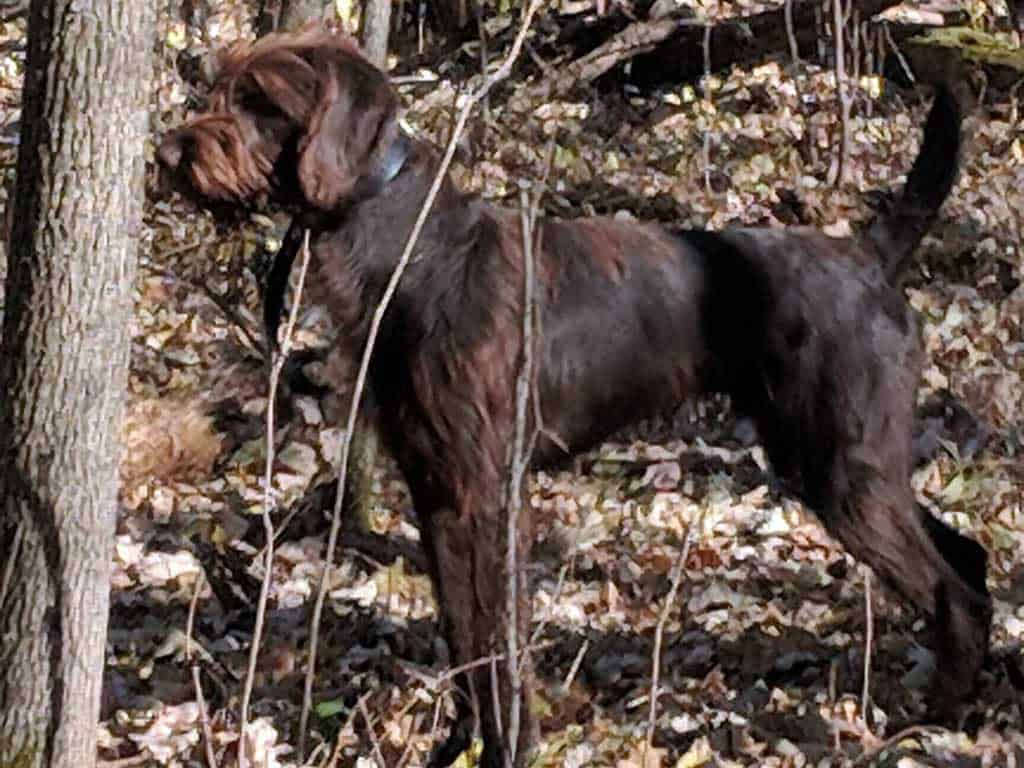
Meet the Pudelpointer, a breed that might just be the best-kept secret in the world of versatile gundogs. With a name that hints at its heritage, this intelligent and capable canine is far more than a simple crossbreed. It is a thoughtfully developed and established breed, born from the combination of the German hunting Poodle (Pudel) and the English Pointer. The result is an exceptionally skilled hunting companion, equally adept at pointing upland game, retrieving from water, and tracking with a keen nose. This guide will walk you through everything you need to know about the remarkable Pudelpointer dog, from its rich history and distinct traits to its needs for care, training, and family life.
- A Purpose-Bred Hunter: The Pudelpointer was intentionally developed in 19th-century Germany to be a master-of-all-trades gundog, combining the Poodle’s intelligence and water skills with the Pointer’s scenting and pointing prowess.
- Not a “Doodle” Mix: Despite its name, the Pudelpointer is a distinct and recognized purebred dog, not a casual poodle pointer mix. It has a consistent temperament and appearance governed by a breed standard.
- –
- High Energy and Intelligence: This breed is incredibly smart and has a high drive, requiring significant daily exercise and mental stimulation to thrive. They are best suited for active owners, especially those involved in hunting or dog sports.
- Loyal Family Companion: When its exercise needs are met, the Pudelpointer is a calm, loyal, and affectionate family member that generally does well with children and other pets, especially with early socialization.
- Distinctive Wiry Coat: Its harsh, dense, and wiry coat is a hallmark of the breed, providing excellent protection from harsh weather and dense underbrush. It requires minimal grooming and sheds very little.
- Excels in the Field: The Pudelpointer is a natural in hunting scenarios and consistently performs at a high level in pudelpointer field trials, which test its pointing, retrieving, and tracking abilities.
Understanding the Pudelpointer: History, Traits, and Why It’s Not Just a Mix
The story of the Pudelpointer begins in late 19th-century Germany, born from a desire to create the ideal versatile gundog. Baron von Zedlitz, a dedicated breeder, envisioned a single dog that could do it all: point birds on land, retrieve waterfowl from icy waters, and track wounded game. To achieve this, he initiated a deliberate and careful breeding program, combining the German hunting Poodle—prized for its intelligence, love of water, and protective coat—with the English Pointer, renowned for its incredible scenting ability and staunch pointing instinct. This was no accident; it was a calculated effort to merge the best qualities of two specialist breeds into one superior generalist.
It is crucial to understand that the Pudelpointer is not a modern “doodle” or a casual poodle pointer mix. It is an established breed with over a century of history and a carefully maintained standard. The goal was to lock in the desired hunting traits, temperament, and physical characteristics, creating a reliable and consistent line of German hunting dogs. These efforts produced a breed that is recognized by major kennel clubs and valued by hunters worldwide for its predictable performance and temperament.
The breed standard for Pudelpointer dogs reflects their utilitarian purpose. They are medium-to-large dogs, typically standing 21 to 27 inches at the shoulder and weighing between 45 and 70 pounds. Their build is athletic, lean, and muscular, designed for stamina and agility in the field. The most distinctive feature is the harsh, wiry coat, which provides excellent protection against weather and terrain. Common coat colors are liver, brown, and sometimes black. This functional coat, combined with a characteristic beard and eyebrows, gives the Pudelpointer its rugged and intelligent expression, perfectly embodying its role as a world-class versatile gundog.
Living with a Pudelpointer: Temperament, Training, and Family Life
The Pudelpointer possesses a dual nature that makes it both a determined hunter and a delightful companion. In the field, it is driven, focused, and relentless. At home, provided its needs are met, it is typically calm, loyal, and deeply affectionate with its family. This breed is known for its high intelligence and an eagerness to please, which makes it a highly trainable partner. However, this intelligence also means they require consistent mental stimulation to prevent boredom and potential mischief. Their high energy is not just a suggestion; it’s a core part of their being that demands an outlet.
Training a Pudelpointer is a rewarding experience due to their sharp minds and cooperative nature. The key to success lies in starting early and remaining consistent. Early socialization is paramount; exposing a puppy to a wide variety of sights, sounds, people, and other dogs will help it grow into a well-adjusted and confident adult. These dogs respond best to positive reinforcement techniques. Using treats, praise, and toys as rewards will build a strong bond and make training sessions productive and enjoyable. Consistency is vital, as this intelligent breed will quickly learn what it can get away with if rules are not applied uniformly by all family members.
Despite their working-dog background, Pudelpointers can make excellent family pets for the right household. An active family that enjoys hiking, running, swimming, or other outdoor activities is a perfect match for their energy. When properly socialized, they are generally patient and good-natured with children and can coexist peacefully with other pets. However, their innate prey drive should always be considered. A Pudelpointer that receives enough daily exercise and mental engagement is a happy, well-behaved dog that will integrate seamlessly into family life, offering both dedicated companionship and unwavering loyalty.
Health and Care Essentials for Your Pudelpointer
Caring for a Pudelpointer is relatively straightforward, but meeting their needs for exercise and preventative health is non-negotiable. Their distinctive wiry coat is a major plus, as it’s low-maintenance and protective. A thorough brushing once a week is usually sufficient to remove loose hair and dirt. The coat is not meant to be clipped; instead, occasional hand-stripping can help maintain its harsh texture, though many companion dogs do fine without it. This breed is considered a moderate shedder.
Dietary needs should be tailored to their high activity level. A high-quality dog food formulated for active, medium-to-large breeds will provide the necessary fuel for their adventures. The amount can vary significantly based on whether the dog is a working hunter or a family companion, so it’s important to monitor their body condition and adjust portions accordingly. Of course, fresh water should always be available.
The most critical aspect of a Pudelpointer’s care is their extensive exercise requirement. A short, leashed walk around the block will not suffice. These dogs need at least an hour of vigorous activity every day. This can include running, swimming, or long sessions of fetch in a securely fenced area. Beyond physical exertion, they crave mental stimulation. Training drills, puzzle toys, and interactive games are essential to keep their intelligent minds occupied and prevent boredom-related behaviors. A tired Pudelpointer is a happy Pudelpointer.
While generally a hardy breed, Pudelpointers can be prone to certain genetic conditions, primarily hip and elbow dysplasia, as well as some eye conditions. Reputable breeders will screen their breeding stock for these issues to minimize the risk. Regular veterinary check-ups, maintaining a healthy weight, routine vaccinations, and consistent parasite control are fundamental aspects of preventative care that will help ensure your Pudelpointer lives a long, healthy, and active life, which typically spans 11 to 14 years.
The Pudelpointer in Action: Excelling in Field Trials and Hunting
The Pudelpointer was born for the field, and it is in this environment that the breed’s incredible natural talents truly shine. As a premier versatile gundog, its instincts are sharp, and its desire to work in partnership with a handler is strong. The breed’s performance is a direct reflection of its carefully selected genetic heritage, making it a favorite among serious hunters who need one dog to perform many tasks flawlessly. Pudelpointers are celebrated for their ability to adapt to nearly any hunting situation, whether in dense forests, open prairies, or icy marshes.
Their core hunting abilities are a trifecta of skills. First is their exceptional pointing instinct, inherited from their Pointer ancestors. They have a natural ability to locate game birds, freezing into a classic point to indicate the quarry’s location to the hunter. Second is their prowess in retrieving. Thanks to their Poodle heritage, they have a love for water and a soft mouth, allowing them to retrieve waterfowl gently but securely. They are just as effective at retrieving on land. Finally, their powerful scenting ability makes them excellent at tracking, whether following a blood trail from wounded game or locating downed birds in heavy cover.
For owners looking to test their dog’s abilities against a breed standard, `pudelpointer field trials` are the perfect venue. These competitive events are not dog shows focused on appearance; they are rigorous evaluations of a dog’s natural hunting skills in a simulated hunting environment. In these trials, Pudelpointers are judged on their searching, pointing, tracking, and retrieving abilities on both land and water. The breed consistently performs at an elite level, showcasing the intelligence, trainability, and raw talent that was envisioned by its founders. Success in field trials is a testament to a dog’s superior genetics and training.
Bringing Home a Pudelpointer: Cost, Breeders, and What to Expect
Bringing a Pudelpointer into your home is a significant commitment, and understanding the associated costs and responsibilities is the first step. The `pudelpointer average price` for a puppy from a reputable breeder can vary based on several factors, including the breeder’s reputation, the puppy’s lineage and pedigree, and geographic location. Buyers should be prepared for an investment that reflects the quality of the breeding. You can expect the cost for a well-bred Pudelpointer puppy to range from approximately $1,500 to over $2,500. While some sources may cite lower figures, these often do not account for the health testing and careful selection practiced by top-tier breeders.
Finding a reputable breeder is the most important part of the process. Responsible breeders are dedicated to the health, temperament, and working ability of the breed. Look for a breeder who is transparent and willing to answer all your questions. They should provide proof of health clearances (like OFA certifications for hips and elbows) for the puppy’s parents. A good breeder will also want to know about your lifestyle to ensure their puppy is going to a suitable home. Ask for references and, if possible, visit their kennel to see the conditions and meet the dam.
The initial purchase price is just the beginning. New owners must also budget for a range of first-year expenses. These include costs for vaccinations, spaying or neutering, microchipping, high-quality puppy food, and essential supplies like a crate, leash, bowls, and toys. When selecting a puppy, look for one that is confident, curious, and well-socialized. A good breeder can help you choose a puppy whose energy level and temperament are the best match for your experience and lifestyle, ensuring a successful and rewarding partnership for years to come.
Conclusion: Is the Pudelpointer the Right Dog for You?
The Pudelpointer is an exceptional breed, but it is not the right fit for everyone. This is a high-drive, high-energy working dog that needs a job to do. For the active individual or family, and especially for the dedicated hunter, this breed is a dream come true. They offer an unparalleled combination of intelligence, athleticism, and a deep desire to please, making them both a world-class gundog and a devoted family member. Their loyalty is unwavering, and their capability in the field is legendary. However, for a sedentary household or a first-time owner unprepared for their extensive exercise and mental stimulation needs, a Pudelpointer could quickly become bored and frustrated.
If you are someone who thrives in the outdoors and is seeking a canine partner to join you in your adventures, the Pudelpointer deserves serious consideration. Owning one is a commitment to providing an outlet for their natural instincts through training, sports, or hunting. In return, you will be rewarded with a companion of incredible depth, character, and skill. The decision to bring a Pudelpointer into your life should be made with a clear understanding of their needs. If you can meet them, you will find yourself with not just a dog, but a true and versatile partner for life.
Frequently Asked Questions
Are Pudelpointers good family dogs?
Yes, for the right family. Pudelpointers can be excellent family companions as they are loyal, affectionate, and generally good with children when socialized properly. However, they are a high-energy breed and require a very active family that can provide them with ample exercise and mental stimulation.
How much exercise does a Pudelpointer need?
A Pudelpointer needs at least 60 minutes of vigorous exercise every day. This goes beyond a simple walk and should include activities like running, swimming, or intensive training sessions. Without sufficient exercise, they can become bored and develop destructive behaviors.
Do Pudelpointers shed a lot?
Pudelpointers are considered moderate shedders. Their wiry coat requires weekly brushing to manage loose hair but is generally less prone to heavy shedding than many other sporting breeds.
Are Pudelpointers easy to train?
Thanks to their high intelligence and eager-to-please nature, Pudelpointers are highly trainable. They excel with positive reinforcement and consistent training methods. Their intelligence also means they need their minds engaged to stay happy.
What is the difference between a Pudelpointer and a Labradoodle?
A Pudelpointer is a recognized purebred gundog with over a century of established breeding for specific hunting traits and temperament. A Labradoodle is a crossbreed (Labrador Retriever and Poodle) that is not a standardized breed, meaning their appearance, coat, and temperament can vary widely.
How much does a Pudelpointer puppy cost?
The average price for a Pudelpointer puppy from a reputable breeder typically ranges from $1,500 to $2,500. The cost can fluctuate based on the breeder’s reputation, the puppy’s lineage, and health clearances of the parents.
Do Pudelpointers bark a lot?
Pudelpointers are not known for being excessive barkers. They will typically bark to alert their owners to a stranger or an unusual sound, but they are not usually “yappy” dogs, especially when their exercise and mental stimulation needs are being met.
Ready to talk about your dog?
Training openings, tracking calls, and Pudelpointer litters are limited — reach out and we’ll figure out the right fit. 14065 185th Avenue NE, Foreston, MN 56330.