
Choosing the Right Dog Training Whistle for Effective Communication
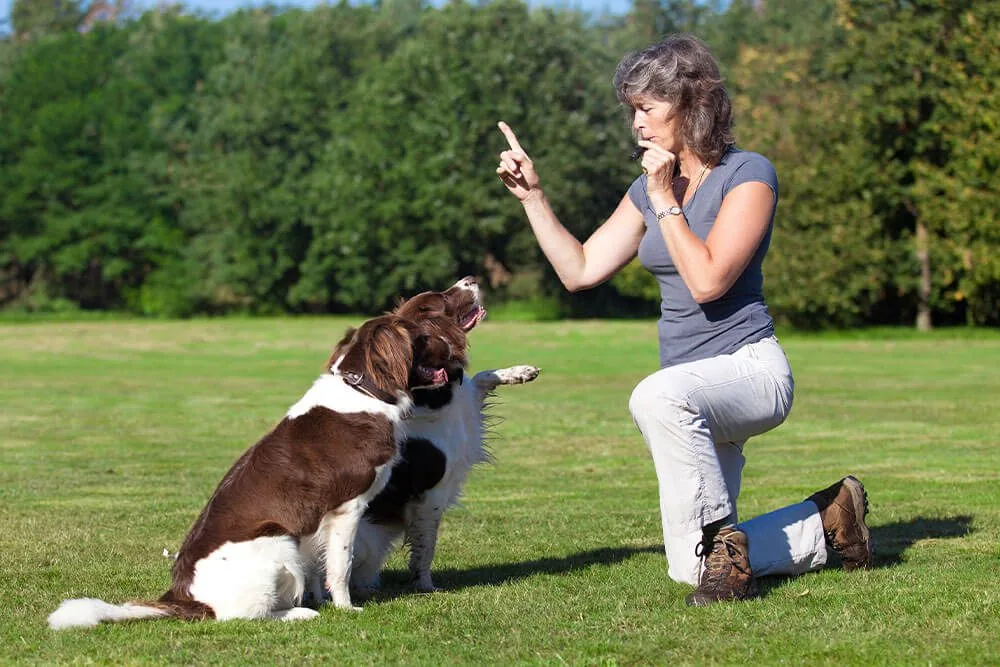
A dog training whistle is one of the most effective tools for establishing clear and consistent communication with your canine partner. Unlike the human voice, which can vary with emotion and tone, a whistle produces a single, unwavering sound that cuts through environmental noise. This consistency is key to building a reliable response, whether you’re in a busy park or a wide-open field. Using a whistle enhances training effectiveness by removing ambiguity, helping to forge a stronger, more trusting bond between handler and dog. From high-frequency silent whistles to robust gun dog whistles, there is a specific tool designed for every training need and environment.
Mastering Communication with Hunting and Gun Dog Whistles
In hunting and field environments, communication needs to be precise, immediate, and effective over long distances. This is where specialized hunting dog whistles and gun dog whistles excel. These tools are built for performance, prioritizing durability, range, and distinct sound frequencies that carry through wind and terrain. Effective gun dog communication relies on the dog’s ability to instantly recognize and react to a command, and the clarity of a whistle is unmatched. A quality long-range dog whistle ensures your cues are heard even when your dog is far out of sight.
The type of whistle often depends on the specific hunting scenario. Pealess whistles, like the popular Acme models, are favored for their sharp, powerful blast and reliability in cold weather, as they have no internal parts that can freeze. In contrast, pea whistles produce a classic trilling sound that can be particularly effective for distance work. For situations requiring discretion, a high-frequency or silent dog whistle allows for commands that are audible to your dog’s sensitive hearing but nearly inaudible to humans and wildlife. Ultimately, consistent use of these field training whistles is fundamental to a gun dog’s performance and safety.
Selecting the Best Whistle for Your Training Needs
Finding the best hunting dog training whistle requires considering several key factors. This brief dog whistle selection guide will help you choose a tool that aligns with your dog and your training goals. The first consideration is whistle frequency. Different models produce different pitches, and some breeds may respond better to a specific frequency. Spaniels, for instance, are often trained with higher-pitched whistles for close-range work, while retrievers may require a medium-pitch whistle that carries farther. The most critical factor is choosing one frequency and sticking with it to ensure training consistency.
Material durability is also paramount, especially for a gun dog whistle that will be exposed to the elements. Whistles are commonly made from high-impact plastic, metal, or even traditional horn, each offering different levels of longevity and feel. An ergonomic design ensures comfort for the handler during long training sessions. When introducing a new whistle, pair the sound with a known verbal command and a reward. Gradually phase out the verbal cue, allowing the dog to associate the whistle tone directly with the desired action. This process builds a fast and reliable response, making the whistle an indispensable part of your training equipment.
Ready to talk about your dog?
Training openings, tracking calls, and Pudelpointer litters are limited — reach out and we’ll figure out the right fit. 14065 185th Avenue NE, Foreston, MN 56330.