
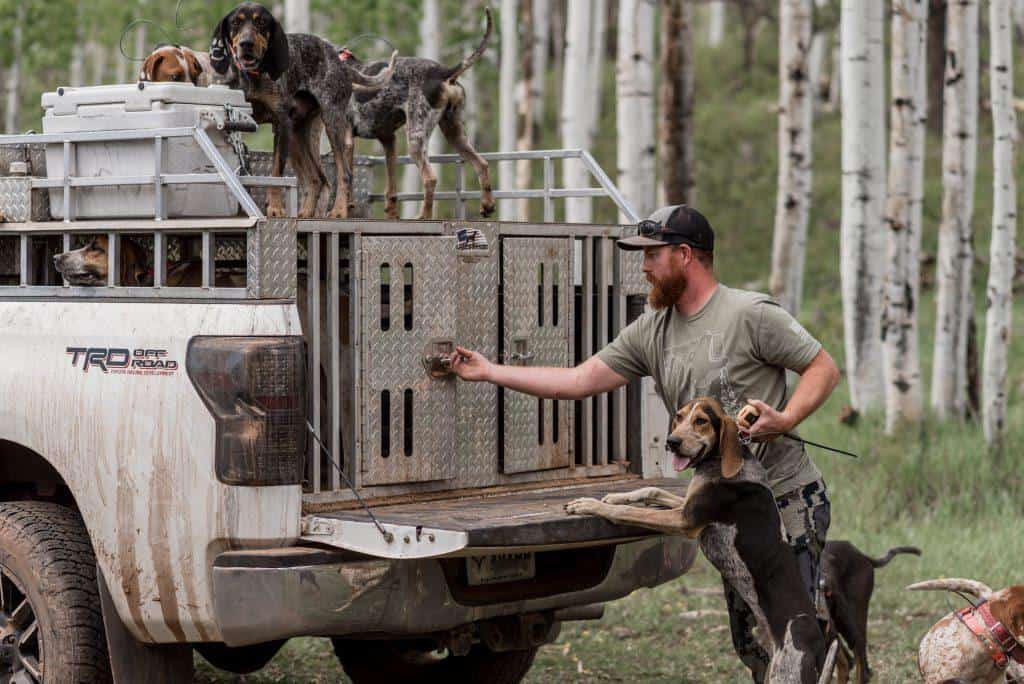
For any serious hunter, a gun dog is more than a companion; it’s an essential partner in the field. Ensuring that partner is safe, comfortable, and ready to perform starts with one of the most critical pieces of gear you can own: a high-quality hunting dog kennel. This is not just a crate for transport; it’s a mobile basecamp for your dog, offering protection from the elements and the hazards of travel. The demands placed on a hunting kennel are far greater than those for a standard house crate. It must be tough enough to handle rough truck beds, durable enough to withstand extreme weather, and secure enough to guarantee your dog’s safety on the way to and from the hunt. This guide will walk you through the key features to look for, the different types available, how to choose based on your specific needs, and the best way to maintain your investment for years of reliable service.
- Safety First: Prioritize kennels with robust, impact-resistant construction and secure latching systems to protect your dog during transport.
- Durability is Key: Look for materials like rotomolded plastic or heavy-duty aluminum that can withstand harsh weather, rough handling, and determined chewers.
- Function Over Form: Essential features include proper ventilation for temperature control, drainage for easy cleaning, and portability for convenience.
- Breed and Environment Matter: The right kennel depends on your dog’s size and the specific conditions you hunt in, from icy duck blinds to warm upland fields.
- Crash-Tested for Peace of Mind: For maximum safety, consider models that have been independently crash-tested and certified.
- Maintenance Extends Life: Regular cleaning and inspection of your kennel will ensure it remains a safe and hygienic space for your hunting partner.
Understanding the Essential Needs and Key Features of a Quality Gun Dog Kennel
When selecting a gun dog kennel, it’s crucial to look beyond basic containment. The best hunting dog kennels are engineered to provide a trifecta of safety, comfort, and durability, ensuring your canine athlete is protected and well-rested. Dog safety should be your primary concern, especially during secure transport. This means seeking out kennels with robust, single-piece roto-molded construction or reinforced aluminum walls that can withstand significant impact. Secure, escape-proof latches and reinforced doors are non-negotiable features that prevent accidental escapes on the road or in the field.
Comfort for hunting dogs is equally important for their performance. A well-designed kennel offers ample ventilation to prevent overheating in warm conditions and provides enough insulation to retain warmth when temperatures drop. Proper sizing is critical; the dog should have enough space to stand up, turn around, and lie down comfortably, but not so much room that they could be tossed around during transit. The material durability of the kennel contributes directly to both safety and comfort. Heavy-duty plastics and metals resist chewing and clawing while also standing up to the rust, mud, and water that are constants in a hunting environment.
Beyond these core requirements, several key features distinguish a premium hunting kennel. Strategically placed ventilation holes ensure optimal airflow without compromising structural integrity. For hygiene, look for easy-to-clean surfaces and a built-in drainage system with a plug, which makes rinsing out mud and dirt simple. Portability features, such as integrated handles and lightweight-yet-strong materials, make moving the kennel much easier. Finally, security is enhanced with features like tie-down points that allow you to anchor the kennel firmly in a truck bed, ensuring it remains stable on even the roughest backroads.
Selecting the Right Hunting Dog Crate for Specific Breeds and Environments
The ideal hunting dog crate depends heavily on its intended use, the breed of your dog, and the environments you frequent. Travel crates for vehicle transport must prioritize safety and a compact footprint. These are often made from impact-resistant, rotomolded plastic and feature secure tie-down systems to anchor them in a truck bed or SUV. For temporary setups in the field or more permanent outdoor housing, larger and more weather-resistant outdoor dog kennels are a better fit, offering greater protection from the elements.
Breed-specific needs also play a major role. A good bird dog kennel for a lanky pointer or setter will offer enough height for them to stand comfortably. In contrast, the best duck dog kennels, designed for retrievers, will emphasize water resistance, insulation for cold mornings in the blind, and materials that don’t absorb moisture. For any hunting dog, a proper sizing guide is essential to ensure a fit that is both safe and comfortable.
Adapting to the environment is crucial. For cold weather, an insulated kennel or a well-fitted kennel cover can be a game-changer, preserving your dog’s body heat. In hot climates, superior ventilation is paramount to prevent heatstroke. For waterfowl hunting specifically, features like non-slip floors provide stable footing for a wet dog, while an elevated base can keep them out of standing water.
Top-Rated Hunting Dog Kennels on the Market
When investing in a high-performance hunting dog crate, a few names consistently rise to the top for their proven safety and durability. These models are built to withstand the rigors of the field and provide maximum protection for your canine partner.
- Gunner G1 Kennel: Often considered the gold standard for safety, the Gunner G1 is the only kennel with a double-wall, rotomolded construction, which provides superior impact protection and insulation. It has earned a 5-Star Crash Test Certified rating from the Center for Pet Safety. This kennel is ideal for hunters who prioritize crash-tested safety above all else. Its robust build makes it heavier than single-wall models, but its durability is unmatched. Prices generally range from $550 to over $850 depending on size.
- Ruff Land Performance Kennels: Known for their unique one-piece rotomolded design, Ruff Land kennels are incredibly durable yet surprisingly lightweight. They feature Ruff-Flex technology, which allows the walls to absorb impact, dissipating energy that would otherwise be transferred to the dog. This makes them an excellent choice for duck hunting and general transport where a balance of toughness and portability is needed. They are also stackable, a major advantage for professionals or those with multiple dogs. Expect prices to be in the $300 to $500 range.
- Lucky Duck Lucky Kennel: This kennel also boasts a 5-Star Crash Test Rating from the Center for Pet Safety, making it a direct competitor to more expensive brands. It features a one-piece rotomolded design engineered for strength while remaining lightweight for its class. Key features include a reversible, injection-molded door, a locking paddle latch, and a pitched floor that channels water away from the dog into drain channels. It’s a fantastic all-around option, particularly for truck transport, with prices typically falling between $550 and $700.
Maximizing Longevity and Hygiene for Your Hunting Kennel
A top-tier hunting kennel is a significant investment, and proper care is essential to maximize its lifespan and ensure it remains a safe, hygienic space for your dog. Establishing a consistent cleaning protocol is the most important step. After each trip, perform a quick daily maintenance check by removing any bedding, wiping down interior surfaces to remove mud and debris, and ensuring the drain plug is clear. This prevents grime from setting in and makes deeper cleans much easier.
A thorough deep cleaning should be done weekly or at least monthly during the hunting season. Use a pressure washer or hose to remove stubborn dirt, then scrub all surfaces with a dog-safe disinfectant to kill bacteria and prevent skin issues. For effective odor control, a simple solution of vinegar and water can work wonders, or you can opt for specialized enzyme-based cleaners designed to break down organic matter. Always rinse the kennel thoroughly and allow it to air dry completely before the next use.
Regular inspection and repair are also crucial. Before and after each outing, take a moment to check the integrity of the kennel. Inspect the door latches, hinges, and any locking mechanisms to ensure they are functioning correctly. Look for any stress fractures or cracks in the plastic, especially around connection points and tie-downs. Addressing minor issues like a loose screw or a small crack promptly can prevent a catastrophic failure in the field or on the highway. During the off-season, proper storage, such as in a garage or shed, will protect the kennel from prolonged UV exposure and extreme weather, which can degrade the materials over time.
Frequently Asked Questions About Hunting Dog Kennels
Navigating the world of high-performance hunting kennels can bring up a lot of questions. From sizing to safety regulations, getting the right answers is key to making a confident purchase and ensuring your dog’s well-being. Here are some of the most common queries from fellow hunters.
The general rule is that the kennel should be just large enough for your dog to stand up, turn around completely, and lie down in a natural position. Measure your dog’s height from the top of their head to the floor and their length from the tip of their nose to the base of their tail. The kennel’s interior dimensions should be 2-4 inches taller and longer than your dog’s measurements. A snug fit is safer for transport, as it prevents the dog from being thrown around during sudden stops or turns.
No, not all kennels are airline-approved. Airlines have strict requirements set by the International Air Transport Association (IATA). Approved kennels must be made of rigid plastic, have a solid roof, possess adequate ventilation on at least three sides, and have a metal door with a secure, spring-loaded latch system. Many high-end hunting kennels meet or exceed these standards, but you must always verify with your specific airline before travel.
The two most popular and effective materials are rotomolded plastic and aluminum. Rotomolded plastic, used in brands like Gunner and Ruff Land, creates a single, seamless piece that is incredibly strong, impact-resistant, and provides good insulation. Aluminum kennels are lightweight and offer excellent ventilation, but they can get very hot in the sun and very cold in the winter and may not offer the same impact absorption as double-walled plastic models.
Proper kennel training is essential. Introduce the kennel in a positive way, using treats and praise to build a strong association. Start with short periods and gradually increase the duration. Adding a familiar blanket or a durable kennel pad can increase comfort, but ensure any bedding is safe and won’t be ingested. For travel, always use tie-down straps to secure the kennel in your vehicle to prevent it from sliding or tipping over.
Laws for transporting animals vary by state and even by municipality. However, a universal best practice is to ensure the kennel is securely fastened within the vehicle. In many areas, it is illegal to transport a dog in the open bed of a truck unless they are in a kennel that is properly anchored. The kennel must also provide adequate ventilation and protection from the elements. It is your responsibility to research the specific regulations for any state you will be traveling through.
Ready to talk about your dog?
Training openings, tracking calls, and Pudelpointer litters are limited — reach out and we’ll figure out the right fit. 14065 185th Avenue NE, Foreston, MN 56330.