
The Pudelpointer After the Shot: Why This Breed Belongs on the Blood Trail
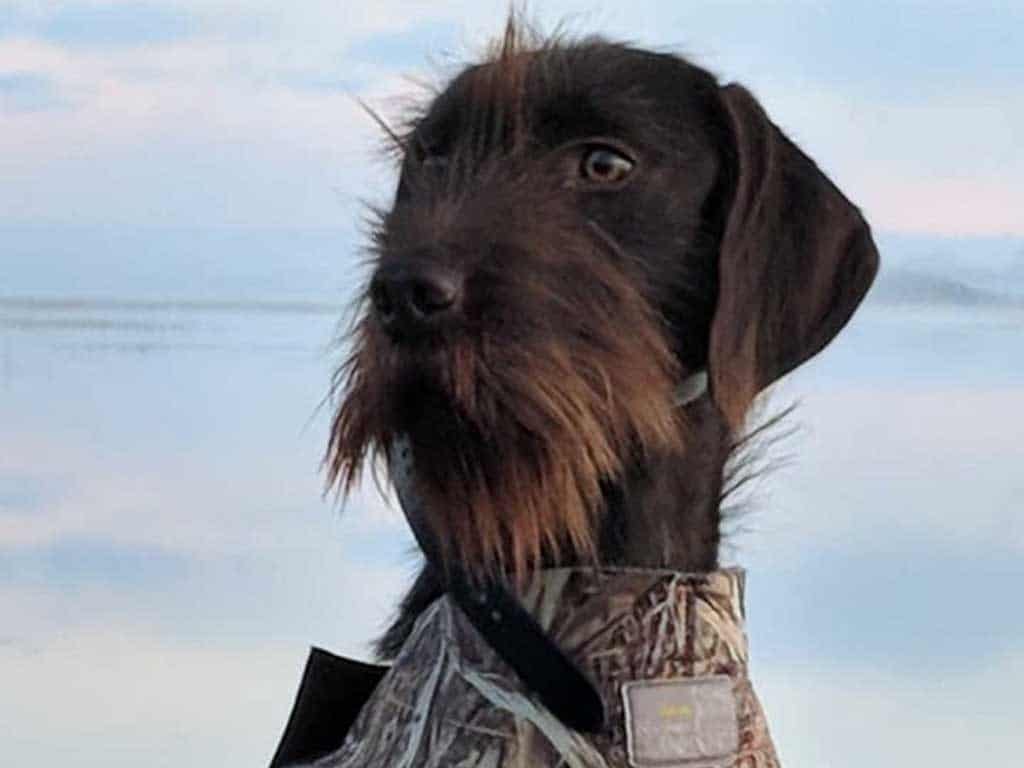
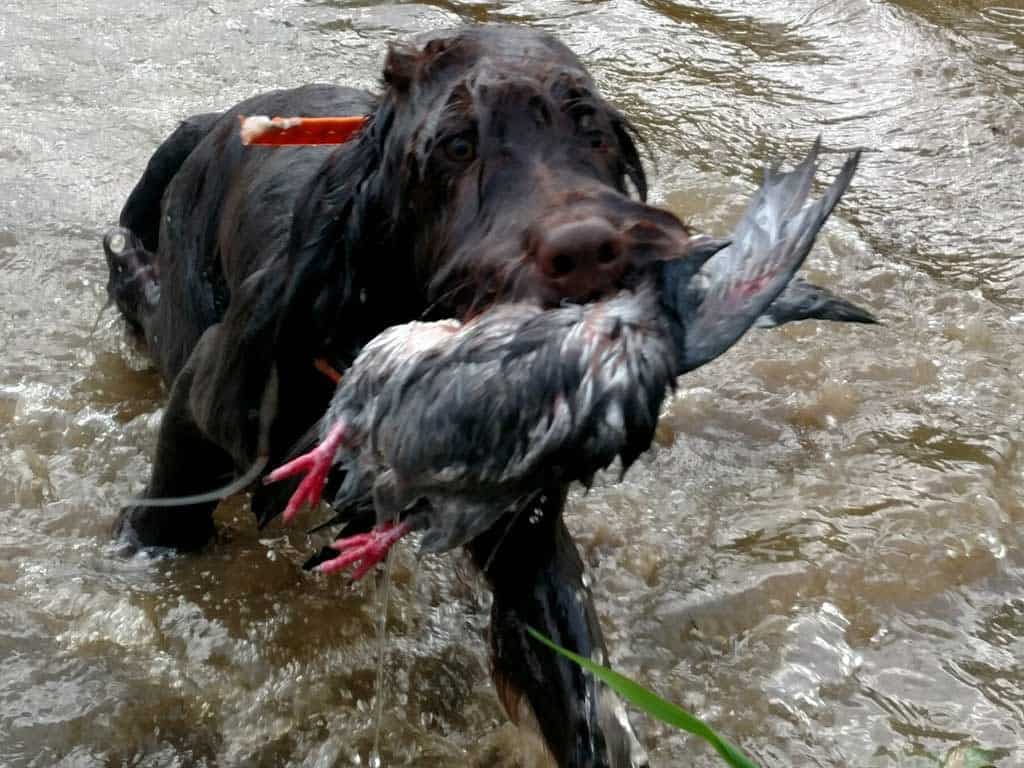
Most people meet the Pudelpointer as a bird dog. They picture it locked on point in October grass or swimming out for a drake in a cold marsh. That picture is accurate, but it leaves out one of the breed’s most valuable skills, especially for deer hunters: following a blood trail to a wounded animal long after the hunter has lost the sign.
At Granite Ledge Kennels, tracking is a core part of how we think about the breed. Here is why the Pudelpointer is so well suited to the work, and what it takes to turn that potential into a dependable recovery dog.
Tracking Was Never an Add-On
In Germany, where the Pudelpointer was developed, a hunting dog is expected to do far more than find and retrieve birds. The German hunting tradition values the complete dog, one that can work before the shot and after it. Tracking wounded game is treated as an ethical duty, not a specialty.
That expectation shaped the breed. German versatile dogs have long been tested on their ability to follow an aged blood track through the woods, alongside field, water, and obedience work. The breeders who built the Pudelpointer selected for dogs that could do all of it. When you bring home a German-line Pudelpointer, you are bringing home generations of dogs that were expected to find wounded game.
What Makes a Good Tracking Dog, and Where the Pudelpointer Fits
A good blood tracking dog is not simply a dog with a good nose. Plenty of dogs can smell a deer. What separates a recovery dog is a combination of traits, and the Pudelpointer brings most of them naturally.
A patient, methodical nose. Upland dogs are often bred to run big and hunt with their heads up, catching scent on the wind. Tracking demands the opposite: nose down, slow, working a line one step at a time. The Pudelpointer’s Poodle ancestry gives it thoughtfulness, and a well-bred dog can shift from fast bird work to careful track work when its handler asks.
Focus under distraction. A deer trail passes fresh deer scent, rabbit trails, and turkey scratchings. The dog must stay on that wounded deer and ignore healthy animals crossing its path. This takes intelligence and cooperation, two traits the breed is known for.
Endurance and toughness. A wounded deer can travel a long way. Trails cross swamp edges, blowdowns, brush, and creek bottoms. The Pudelpointer’s athletic frame and stamina let it work a long trail without fading.
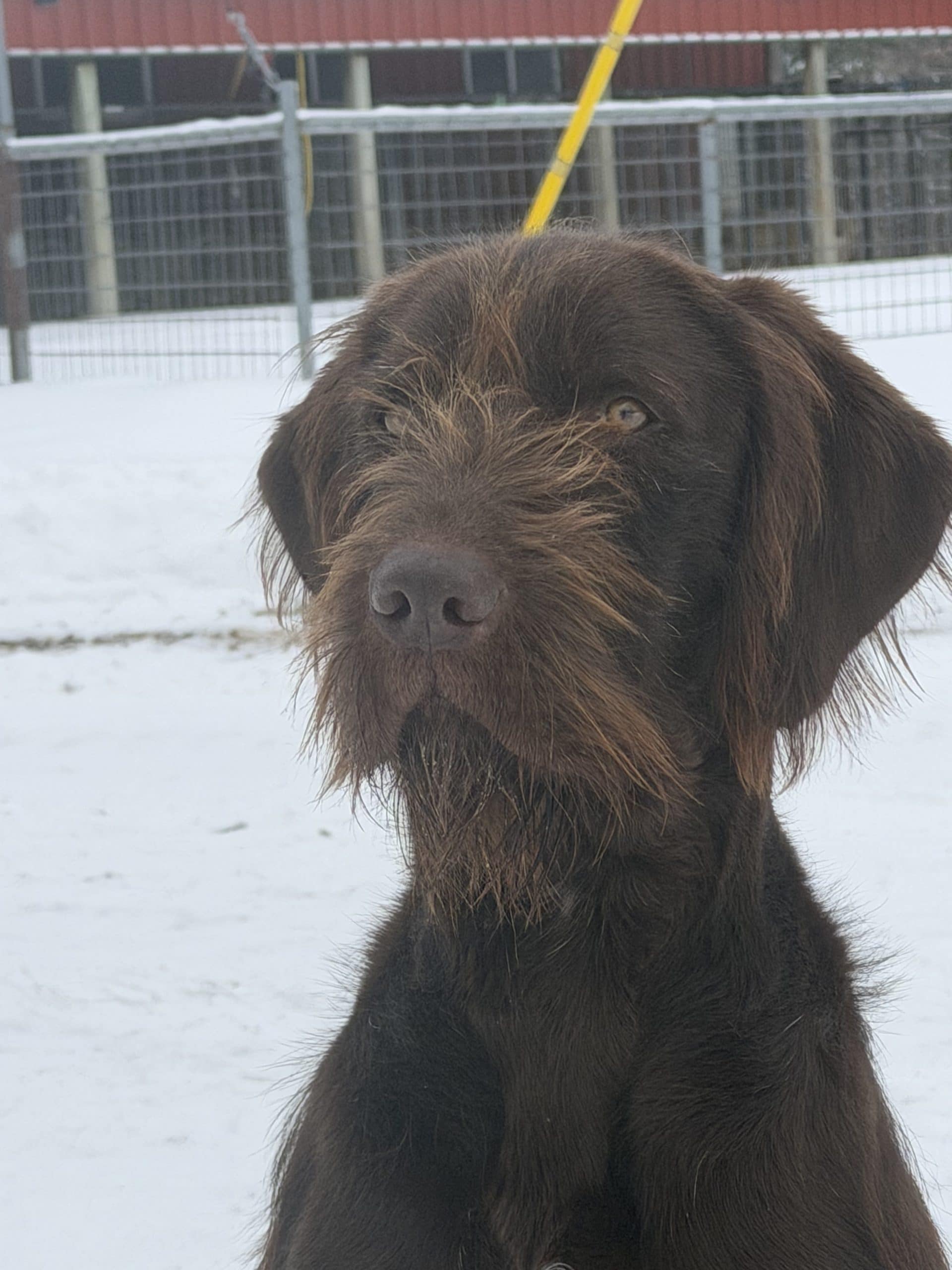
A coat built for rough cover. The breed’s harsh, wiry coat protects it from thorns, cattails, and cold water. In Central Minnesota, a November trail after dark can mean frost, wet ground, and a creek crossing. A dog that shrugs off conditions keeps working.
Close cooperation with the handler. Blood tracking is done on a long lead, with dog and handler working as a team. The Pudelpointer’s strong desire to work with its person, rather than off on its own, makes that partnership come naturally.
When Tracking Instinct Pays Off
Every deer hunter eventually faces the same situation. The shot looked good, but the blood thins out. The trail disappears in leaf litter or crosses water. After an hour of grid searching with a flashlight, you are no closer to your deer.
This is where a trained dog changes the outcome. A deer can cover a surprising distance on very little blood, and it often beds in cover you will walk past without seeing. A dog does not need visible blood to follow the trail. It follows the scent the animal leaves on the ground, which lasts far longer than the visible sign.
For hunters, that means more recovered deer, less meat lost, and far fewer sleepless nights wondering about an animal left in the woods. For many of our clients, that alone justifies the training.
How We Develop a Pudelpointer for Tracking
Natural ability is only the starting point. A dog with great instincts still needs structured training to become reliable on real calls. Our blood trail program follows a progression.
Scent introduction. Young dogs start with short, fresh trails and a clear reward at the end. The goal is to build excitement and connect the scent with success.
Building length and age. We gradually lengthen trails and let them sit longer before the dog runs them. An older trail is harder to follow, and that is exactly what real recoveries look like.
Adding real-world problems. Once the foundation is solid, we add turns, gaps with no visible blood, water crossings, and heavy cover. Our 180 acres of timber, ponds, and native grass let us set up the conditions a dog will face on an actual call.
Handler work. A tracking dog is only as good as the person on the other end of the lead. We teach handlers to read their dog, recognize when it has lost the line, and help it recover the trail without pulling it off course.
Every dog moves at its own pace. We train one dog at a time, so the plan fits the dog in front of us rather than a calendar.
One Dog, Every Season
A Pudelpointer that tracks does not give up its other jobs. The same dog that finds your deer in November can point grouse in October, retrieve ducks from the marsh, and settle in at home by the fire. That is the whole idea behind a versatile breed.
For a Minnesota hunter who chases birds, waterfowl, and deer, that versatility means one well-bred, well-trained dog can cover the whole season.
Before You Head Out
If you plan to use a dog for deer recovery, check the current Minnesota DNR regulations before the season. Rules on leash requirements, firearms, and tracking hours can change, and it is your responsibility to know them.
Talk to Us About Your Dog
Whether you’re looking for a Pudelpointer puppy from a working line or want to develop the tracking ability of a dog you already own, we’d be glad to talk. Training openings and litters are limited.
Call Chris at (612) 490-4802 or email chris@graniteledgekennels.com, or explore our Blood Trail Tracking program.
Ready to talk about your dog?
Training openings, tracking calls, and Pudelpointer litters are limited — reach out and we’ll figure out the right fit. 14065 185th Avenue NE, Foreston, MN 56330.