
Mastering Duck Dog Training: A Comprehensive Guide
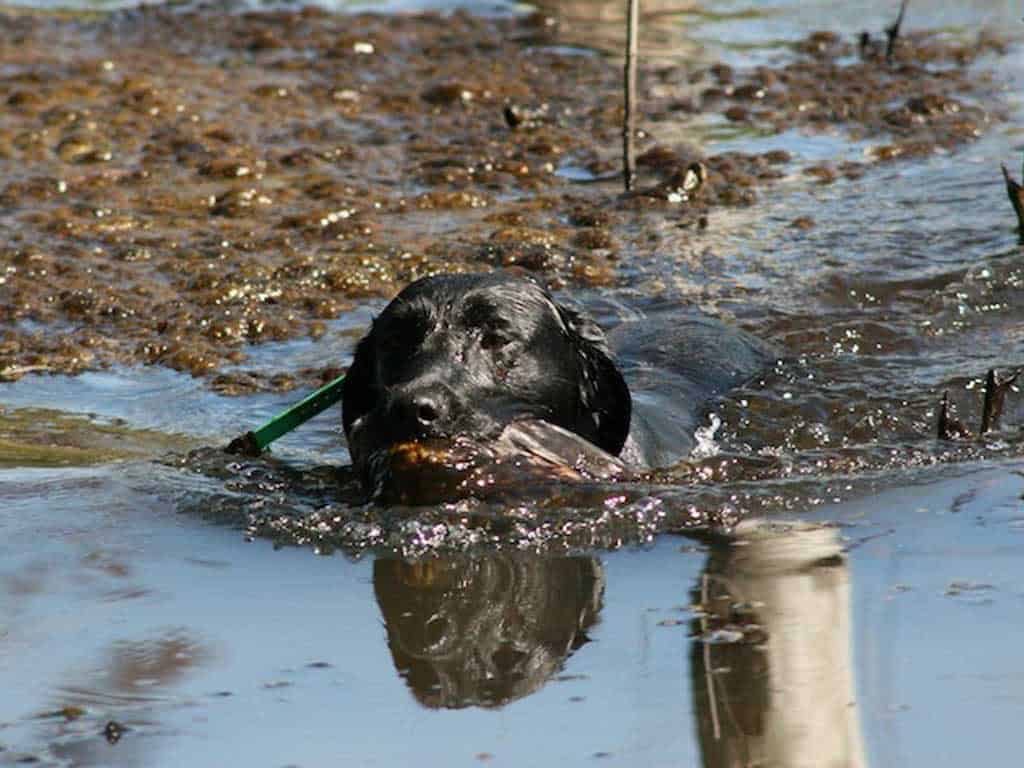
The bond between a hunter and their duck dog is a partnership forged in the early morning mist of a marsh, built on trust, communication, and shared purpose. This relationship is unparalleled, transforming a solitary pursuit into a collaborative art form. However, this seamless teamwork doesn’t happen by chance. Proper training is the bedrock of this partnership, ensuring not only effectiveness in the field but also the safety of the dog and the overall enjoyment of the hunt. A well-trained canine partner is more than a retriever; they are a steady, reliable, and enthusiastic companion.
This comprehensive guide will walk you through the entire journey of developing a first-class duck dog. We will explore everything from the foundational skills every gun dog needs to advanced techniques for complex retrieves. You’ll learn how to select the right canine candidate, understand the basics of obedience, and discover how to choose the best duck dog training program that aligns with your goals, whether you’re a DIY enthusiast or seeking professional guidance. By the end, you’ll have a clear roadmap to cultivating a skilled, confident, and loyal hunting partner.
Key Takeaways
- A successful duck dog is a product of both natural instinct and rigorous, consistent training, emphasizing safety and teamwork.
- Foundational obedience commands like “Sit,” “Stay,” “Come,” and “Heel” are non-negotiable prerequisites for any advanced field training.
- Breeds like Labradors and Golden Retrievers are popular for a reason, but the right temperament—intelligence, eagerness to please, and a strong retrieve drive—is more important than pedigree alone.
- Advanced training involves specialized skills such as steadiness in the blind, handling blind retrieves with hand signals, and proper conditioning to gunfire.
- Choosing a training path, whether it’s a professional program or a DIY approach using online resources and videos, depends on your time, budget, and personal training philosophy.
- Training for goose hunting requires specific adaptations to handle larger birds, colder weather, and different terrain, building on the core principles of duck dog training.
- Consistency, patience, and positive reinforcement are the cornerstones of building a confident, reliable, and lifelong hunting companion.
Understanding the Ideal Duck Dog
What truly defines a “duck dog”? It’s a masterful blend of innate instinct, a cooperative temperament, and specific physical traits that equip them for the demanding environment of waterfowl hunting. This canine partner is more than just a pet; they are a specialized athlete. Their natural drive to retrieve, a love for water, and a resilient body capable of handling cold temperatures and challenging terrain are the core components. While many breeds can be trained, some are genetically predisposed to excel in this role, making them a popular choice for hunters.
The most common breeds you’ll see in a duck blind are Labrador Retrievers, Golden Retrievers, and Chesapeake Bay Retrievers. Labradors are celebrated for their trainability and unwavering enthusiasm. Golden Retrievers bring an intense desire to please and a famously gentle mouth, ensuring birds are returned in good condition. Chesapeake Bay Retrievers, or “Chessies,” are renowned for their incredible endurance and resilience in the harshest, iciest waters. Other capable breeds include the Boykin Spaniel, American Water Spaniel, and even some versatile breeds like the German Shorthaired Pointer.
When selecting a puppy or evaluating an adult dog, it’s crucial to look beyond the breed. Key traits to seek include intelligence, a strong desire to please, and a palpable prey drive. Watch how a puppy interacts with toys; a natural inclination to chase, pick up, and carry objects is a strong indicator of retrieving potential. Assessing lineage is also vital. A puppy from a proven hunting line is more likely to possess the genetic foundation for success. Early socialization is equally important. A dog that has been exposed to various sounds, sights, and environments from a young age will grow into a more confident and adaptable hunting companion, unfazed by the commotion of a hunt.
Key Traits and Temperament for Waterfowl Hunting
The ideal temperament for a waterfowl hunting dog is a complex but essential checklist of characteristics. At the top of the list are intelligence and trainability, which allow the dog to learn complex commands and adapt to dynamic situations in the field. This is closely followed by an eagerness to please, as a dog that is motivated by its handler’s approval will be more focused and cooperative during training and hunts. Steadiness is another critical trait; the dog must have the self-control to remain calm and quiet in the blind, even as ducks circle and guns are fired. Finally, courage is necessary to face challenging retrieves in cold water, dense cover, or adverse weather.
Beyond general temperament, two specific instincts are non-negotiable: a powerful retrieve drive and a natural affinity for water. A strong drive means the dog has an innate, burning desire to chase and bring back a downed bird. This isn’t something that can be easily taught; it must be a core part of the dog’s nature. Similarly, the dog should enter the water with confidence and enthusiasm, not hesitation. Genetics play a massive role in these traits, so researching a puppy’s pedigree and observing the parents’ hunting abilities can provide invaluable insight into its potential.
One of the more nuanced traits to identify, especially in puppies, is a “soft mouth.” This refers to the dog’s ability to carry a bird gently without biting down, crushing, or otherwise damaging it. A “hard mouth” is a significant fault that can be difficult to correct. You can get an early feel for this by playing fetch with a puppy. Does it carry the toy, or does it try to chew and “possess” it? A puppy that naturally carries objects with a gentle grip is showing the foundation for the soft mouth that is highly prized in a finished retrieving dog.
The Foundation: Duck Dog Training Basics
Before a dog can ever retrieve a duck from icy water, it must first master the fundamentals of obedience. This foundational stage is the most critical part of the entire training process, as it builds the framework for communication, control, and trust between you and your canine partner. Basic obedience isn’t just about having a well-behaved pet; it’s about creating a responsive and reliable hunting companion who will listen and react appropriately in high-stakes environments. Without a solid foundation, advanced training is impossible.
The core of duck dog training basics revolves around a set of essential commands that ensure safety and control. These commands form the language you will use to guide your dog in the field. The optimal time to begin this training is during puppyhood, as early as 8 to 12 weeks of age, when the dog is most impressionable. Early training sessions should be short, frequent, and overwhelmingly positive. Using positive reinforcement—such as treats, praise, and play—builds a strong bond and makes learning an enjoyable experience for the dog. Consistency and patience are your greatest tools. Every member of the household should use the same commands and rules to avoid confusing the young pup.
Creating a positive and structured learning environment is key. Training should occur in a space with minimal distractions at first, allowing the dog to focus completely on you. As the dog masters commands in a quiet setting, you can gradually introduce more distractions to proof its reliability. Remember, this early stage is as much about teaching commands as it is about building your relationship. You are establishing yourself as a trusted leader, and every positive interaction strengthens the bond that will be essential in the duck blind.
Essential Obedience Commands for the Field
- “Sit” and “Stay”: These two commands are the cornerstones of steadiness. In a duck blind, a dog must remain seated and still, often for long periods. A dog that breaks—meaning it lunges forward before being commanded to retrieve—can ruin a hunt, flare incoming birds, and put itself in danger. The “Sit” command should be rock-solid, and the “Stay” command teaches the impulse control necessary to wait for the proper release cue.
- “Come” or “Here”: A reliable recall is arguably the most important command for any dog, but it’s absolutely critical for a hunting dog. Whether in the field or at home, your dog must come back to you immediately and without hesitation when called. This command ensures its safety, prevents it from chasing missed game, and gives you complete control in open, unpredictable environments.
- “Heel”: The “Heel” command teaches a dog to walk calmly at your side, without pulling on the leash. This is essential for maintaining control when walking to and from the blind, navigating difficult terrain with a firearm in hand, and handling your dog around other hunters and their dogs without causing chaos.
- “Kennel” or “Place”: This command directs the dog to a specific spot, such as its crate, a dog stand in the water, or a designated mat in the blind, and to stay there until released. It’s an invaluable tool for management, keeping the dog contained, safe, and out of the way when it’s not actively working.
- “No” or “Leave It”: This is a crucial command for preventing unwanted behaviors. It can be used to stop a dog from picking up a forbidden object, breaking its “Stay,” or getting into a dangerous situation. It’s a universal stop command that communicates displeasure and redirects the dog’s focus back to the handler.
Introduction to Retrieving and Building Drive
Once basic obedience is underway, you can introduce the fun part: retrieving. This should always start as a game in a low-pressure environment like a hallway or a fenced yard. Use soft, appropriately sized bumpers or dummies. The goal is to make retrieving the most exciting and rewarding activity for your dog. Start with short, simple tosses, encouraging the puppy to chase, pick up the bumper, and bring it back.
Building and maintaining a powerful retrieve drive is about channeling the dog’s natural enthusiasm. Keep sessions short and end on a high note, leaving the dog wanting more. Lavish praise and excitement when the dog brings the bumper back to you. This positive association makes the act of retrieving a deeply rewarding experience. Never punish a puppy for a sloppy retrieve; simply encourage it and try again. The key is to build confidence and associate the retrieve with immense fun.
A crucial part of this process is teaching the dog to hold the bumper gently and deliver it directly to your hand. This prevents the development of a “hard mouth” and sloppy deliveries. As the dog successfully retrieves at short distances, you can gradually increase the complexity. Move to an open field and increase the distance of the throws. Introduce different types of cover and terrain. Each small step builds on the last, developing a dog that retrieves with passion, style, and precision.
Golden Retriever Duck Hunting Training: Specific Considerations
The Golden Retriever is an iconic and beloved breed, not just as a family companion but also as a highly capable duck dog. Their renowned intelligence, unwavering eagerness to please, and cheerful disposition make them a joy to train. For duck hunting, their most celebrated attributes are a strong, innate desire to retrieve and an exceptionally gentle mouth. This “soft mouth” is a prized trait, ensuring that waterfowl are brought back to the handler without being damaged, a hallmark of a skilled retrieving dog.
When approaching Golden Retriever duck hunting training, it’s essential to tailor methods to their specific temperament. Goldens are often more sensitive than their Labrador cousins and respond exceptionally well to positive reinforcement and a patient hand. Harsh corrections can diminish their confidence and enthusiasm, so training should focus on reward-based techniques that make learning a collaborative and enjoyable process. Their intelligence allows them to pick up on new concepts quickly, but it also means they can become bored with excessive repetition. Keeping training sessions varied and engaging is key to maintaining their focus.
Despite their many strengths, there are some common misconceptions about training Golden Retrievers for hunting. Some believe they are less resilient in cold water than other retriever breeds, but a well-conditioned Golden with a proper coat can handle harsh conditions with ease. A critical aspect of their care is coat maintenance; their dense double coat requires regular grooming to prevent matting and to ensure it provides adequate insulation in cold, wet environments. Properly preparing and conditioning a Golden allows them to perform at the highest level alongside any other waterfowl companion.
Leveraging Golden Retriever Strengths in the Field
The key to training a successful Golden Retriever for hunting is to harness its powerful natural instincts. Their retrieving drive is often off the charts, so the primary job of the trainer is not to create this drive, but to channel and control it. The training should focus on transforming their raw enthusiasm into disciplined, precise retrieves. This is where their cooperative nature becomes a major asset. A Golden *wants* to work with you, and this partnership is best nurtured through positive, reward-based training methods. They thrive on praise and are highly motivated to perform tasks correctly to please their handler.
This breed’s adaptability is another significant strength. Golden Retrievers are capable of excelling in a wide variety of hunting scenarios, from navigating the dense cattails of a marsh to making long-distance swims in open water. Their intelligence allows them to be excellent problem-solvers when faced with challenging retrieves. The trainer’s role is to build on this natural ability by introducing them to diverse environments and situations during training, ensuring they are confident and prepared for whatever they might encounter on a real hunt. The goal is to encourage their natural exuberance while instilling the discipline required for rock-solid steadiness.
Addressing Common Golden Retriever Training Challenges
One of the most common challenges when training a Golden Retriever is managing their sheer enthusiasm. Their excitement can sometimes lead to a lack of focus or unsteadiness in the blind, such as whining or “breaking” before a command is given. The solution lies in consistent and patient training focused on impulse control. Drills that reinforce the “Stay” command with increasing levels of distraction are crucial. Teaching them to remain calm and quiet during long waits is a matter of repetition and rewarding quiet, patient behavior.
Strategies for maintaining focus are essential. In high-excitement situations, like a flock of ducks decoying perfectly, a Golden’s exuberance can take over. The key is to gradually expose them to these scenarios in a controlled training environment. Start with single decoys and build up to larger spreads. Use launchers to simulate falling birds while enforcing steadiness. This proofing process teaches the dog to channel its excitement and wait for the handler’s command.
Finally, some Goldens can exhibit “soft dog” tendencies, where their confidence may waver in particularly challenging or high-pressure situations. This is often not a lack of courage but a result of their sensitive nature. The best way to prevent this is through a training program that builds confidence incrementally. Start with easy, successful retrieves and slowly increase the difficulty. Positive reinforcement for brave efforts, like tackling a tricky water entry or pushing through thick cover, will build a resilient and confident hunting partner who trusts both their own abilities and their handler’s guidance.
Advanced Duck Hunting Dog Training Programs and Techniques
Once your dog has mastered the basics of obedience and simple retrieves, it’s time to transition into an advanced duck hunting dog training program. This phase moves beyond foundational skills and focuses on the specialized abilities required for real-world hunting scenarios. The training becomes more complex, demanding greater precision, control, and teamwork between the dog and handler. The goal is to create a finished retriever that can handle any situation it might encounter in the marsh or field with confidence and efficiency.
A structured, multi-stage program is the most effective way to achieve this. The progression is logical: master skills on land before moving to water, and perfect drills with bumpers before introducing live or freshly killed birds. This systematic approach ensures the dog understands each concept thoroughly before adding new layers of difficulty. Throughout this advanced training, consistency and repetition are paramount. Skills like handling blind retrieves or remaining steady during a volley of shots are not learned overnight; they are perfected through countless successful repetitions in a variety of setups.
A key component of advanced training is the integration of remote commands. While voice commands are effective at close range, they are often impractical for long-distance retrieves or in windy conditions. This is where hand signals and whistle commands become essential tools. A well-trained dog can be guided to a downed bird it never saw fall (a “blind retrieve”) using a combination of whistle “sits” and hand signals for direction. Mastering these techniques transforms a simple retriever into a highly effective tool for recovering game under the most challenging circumstances.
Developing Steadiness and Blind Manners
Steadiness is the hallmark of a truly finished duck dog. It is the discipline to remain perfectly calm, quiet, and motionless in the hunting blind, even amidst the chaos of calling, decoys, and approaching birds. This training starts with reinforcing the “Sit” and “Stay” commands but elevates them to a new level. The dog must learn to honor another dog’s retrieve, ignore falling birds until sent, and resist every instinct to lunge forward. Drills involving launchers that throw dummies at random intervals while the dog must remain seated are excellent for building this impulse control.
Water Work and Blind Retrieves
A confident water entry is crucial. Introduction to water should be a positive experience, starting in shallow, calm areas and gradually moving to deeper water and more challenging entries, like from a boat or a dog stand. Once the dog is a strong and enthusiastic swimmer, you can begin advanced water work. This includes teaching blind retrieves, where the dog does not see the bird fall. This skill is the pinnacle of retriever training and relies entirely on the dog’s trust in the handler. Using a combination of whistle commands to stop the dog and hand signals to direct it left, right, or back, you can guide your canine partner to the precise location of the downed bird.
Gunfire Conditioning and Live Bird Introductions
Proper introduction to gunfire is critical to prevent a dog from becoming “gun-shy,” a fear that can be nearly impossible to reverse. This process must be slow and gradual. Start by having a helper fire a .22 or starter pistol from a great distance while the dog is engaged in a fun activity, like retrieving a bumper. Over many sessions, gradually decrease the distance and increase the gauge of the firearm, always associating the sound with the positive experience of retrieving. The goal is for the dog to see gunfire as a precursor to the fun of a retrieve. Following this, introducing real birds—first freshly killed, then live flyers in a controlled setting—completes the training process, ensuring the dog handles actual game with the same confidence and gentle mouth it uses on bumpers.
Choosing the Best Duck Dog Training Program for Your Needs
When it comes to training your duck dog, you have several paths to choose from: enrolling in a professional training program, taking a do-it-yourself (DIY) approach, or creating a hybrid model that combines both. The best duck dog training program is not a one-size-fits-all solution; it’s the one that best fits your dog’s temperament, your budget, your available time, and your personal goals. Making an honest assessment of your own commitment level and training knowledge is the first step in making the right decision for you and your canine partner.
A key consideration is the training philosophy. You want to find a program or method that aligns with your personal values regarding dog training. Some trainers may use different tools or levels of pressure, and it’s important that you are comfortable with the techniques that will be used on your dog. Whether you choose a professional or a DIY route, the goal is to build a confident, happy, and effective hunting companion. A reputable program or a well-researched DIY plan will prioritize the dog’s well-being while systematically building its skills.
Before committing to any path, it’s wise to do thorough research. If considering a professional, ask for references and observe a training session. If going the DIY route, immerse yourself in quality resources. Creating a checklist of questions to ask potential trainers or to guide your own study can be incredibly helpful. Questions should cover methods, timelines, costs, and what kind of support is available after the formal training period ends. This due diligence ensures you embark on a training journey that has the highest chance of success.
Evaluating Professional Training Programs
When selecting a professional trainer, several key criteria should guide your decision. Look for extensive experience with retriever breeds, relevant certifications, and a clean, safe, and well-maintained facility. The trainer’s philosophy is paramount; they should be able to clearly articulate their methods and why they use them. Client testimonials and references are invaluable—speak to past clients to get an honest assessment of their experience. A major decision is choosing between a “board and train” program, where you send the dog away for several weeks or months, and owner-involved weekly sessions. Board-and-train can accelerate progress but requires a significant hand-off of training to you upon the dog’s return. Owner-involved sessions are more gradual but ensure you are learning alongside your dog every step of the way.
DIY Training Resources and Strategies
For the dedicated owner, a DIY approach can be incredibly rewarding. Essential equipment includes a variety of bumpers or dummies, a whistle, a long lead or check cord, and potentially an e-collar, which should only be used after extensive research into its proper, ethical, and humane application. There is a wealth of high-quality information available. Look for reputable books from legendary trainers and explore online courses and video platforms. Channels and platforms like YouTube, Cornerstone Gundog Academy, and Lone Duck Outfitters offer a vast library of duck hunting dog training videos, from basic puppy tutorials to advanced drills. The keys to successful self-training are unwavering consistency, immense patience, and setting realistic expectations for yourself and your dog. A structured, progressive plan is crucial to avoid creating gaps in your dog’s education.
Expanding Skills: Goose Hunting Dog Training
While the foundations are the same, goose hunting dog training introduces unique demands that require specific adaptations. The core principles of obedience, steadiness, and retrieving are identical to duck training, but the physical and environmental challenges are amplified. Geese are significantly larger and heavier than ducks, and hunts often take place in open agricultural fields or under the harshest late-season weather conditions, testing a dog’s strength, endurance, and resilience.
The primary challenge in goose hunting is the retrieve itself. A large Canada goose can weigh over 12 pounds, requiring immense physical strength and a confident grip for a dog to carry it over long distances, sometimes across frozen or muddy terrain. The training must therefore include a focus on strength and endurance conditioning. Furthermore, the scent and texture of a goose are different from a duck, and it’s important to properly introduce your dog to these larger birds to ensure it is comfortable and confident when making a real retrieve.
The hunting environment also necessitates adjustments. Unlike the contained space of a marsh blind, goose hunting often involves layout blinds in wide-open fields. This requires the dog to be exceptionally steady and well-camouflaged, as any movement can be easily spotted by wary, high-flying geese. Training must emphasize absolute stillness and patience, preparing the dog for potentially long waits in cold, exposed conditions. This specialized preparation ensures your duck dog can seamlessly transition into a formidable goose dog.
Key Differences in Goose Retrieval Techniques
To prepare a dog for the rigors of goose retrieval, training must focus on building the necessary physical prowess. This involves specific drills to enhance carrying strength and stamina. Start by using larger, heavier training dummies. You can even use frozen geese or wrap multiple bumpers together to simulate the weight and bulk of a real goose. Long-distance retrieves in varied terrain, such as through muddy corn stubble or across choppy water, will build the endurance needed to bring back these heavy birds without the dog tiring or dropping its prize. A confident, secure grip is essential, and training should reinforce a full, firm hold and a direct delivery to hand.
Cold Weather and Ice Training for Geese
Goose season often coincides with the most extreme weather of the year, making cold preparedness a top priority. A neoprene dog vest is essential gear, providing both insulation and buoyancy in icy water. Paw protection, in the form of waxes or booties, can prevent cuts from ice and reduce snow buildup. It is crucial to acclimate your dog to cold conditions gradually and to always monitor for signs of hypothermia. Safety is paramount when dealing with ice. Never send a dog onto ice that you are not certain is safe, and always be prepared for emergency situations. Maintaining your dog’s energy levels with high-calorie food and ensuring it is completely dry and warm after the hunt are critical for its health and well-being in harsh winter conditions.
Visual Learning: Duck Hunting Dog Training Videos and Resources
In the world of dog training, seeing is believing. While books and articles can explain the theory behind a technique, duck hunting dog training videos provide an invaluable visual aid that can dramatically accelerate the learning process for both handler and dog. Visual guides allow you to see the precise timing, body language, and mechanics of a drill, making complex concepts much easier to understand and replicate. They are an essential supplement to hands-on practice, offering expert demonstrations on demand.
The benefit of using training videos is the ability to pause, rewind, and re-watch demonstrations until you fully grasp the concept. This is particularly useful for nuanced techniques like introducing an e-collar, teaching hand signals for blind retrieves, or conditioning a dog to gunfire. Seeing a real-time demonstration of a command, how a handler corrects a common mistake, or how a dog’s body language changes during a drill provides a level of insight that text alone cannot convey. High-quality videos from experienced, reputable trainers can serve as a virtual mentor, guiding you through each stage of the training journey.
To use videos effectively, it’s important to identify content that is produced by credible trainers who align with your training philosophy. Look for creators who not only show the finished product but also break down the step-by-step process, including how to troubleshoot common problems. Use these videos as a blueprint for your own sessions. Watch a video on a specific drill, then go out and practice it with your dog, returning to the video as needed to refine your technique. This combination of visual learning and practical application is a powerful formula for success.
Recommended Video Content Categories
To build a well-rounded training program, seek out a variety of video content. Start with videos demonstrating basic obedience and puppy exercises, which often provide clear visual cues for teaching commands like “Sit,” “Stay,” and “Heel.” As you progress, look for visual guides on introducing retrieving, water work, and, if you choose to use it, the force fetch process. For advanced training, find videos that detail drills for blind retrieves, whistle commands, and complex marking scenarios. Finally, some of the most valuable content includes real-world hunting simulations and troubleshooting guides that show expert trainers solving the same common issues you might face, offering practical insights and tips.
Troubleshooting Common Duck Dog Training Challenges
Even with the best-laid plans, every trainer will encounter challenges and plateaus. Addressing these common problems requires patience, consistency, and the ability to identify the root cause of the issue. Often, a behavioral problem is a symptom of a gap in foundational training or a misunderstanding between the handler and the dog. Rushing the process is a frequent cause of issues, so it’s important to remember that sometimes the best way to move forward is to take a step back and reinforce the basics.
When faced with a challenge, avoid getting frustrated. Your dog can sense your emotions, and a tense, frustrated handler creates a poor learning environment. Instead, analyze the situation. Why is the dog failing the drill? Is it too difficult? Are there too many distractions? Is the dog confused about what is being asked? Breaking the task down into smaller, more manageable steps can often solve the problem. If you find yourself truly stuck, don’t be afraid to seek expert help from a professional trainer who can provide a fresh perspective and actionable solutions.
Addressing Steadiness and Breaking Issues
A dog that “breaks” (leaves for a retrieve before being commanded) or whines excessively in the blind is one of the most common issues. This is a problem of impulse control. The solution is to go back to basics and heavily reinforce the “Stay” command in increasingly distracting environments. Use place boards or platforms to define the dog’s spot and conduct drills where bumpers are thrown but the dog is not sent, teaching it that not every fall is its to retrieve. These exercises build self-control and teach the dog to focus on the handler, not the bird.
Overcoming Water Reluctance or Fear
If a dog is hesitant to enter the water, it’s crucial never to force it. This will only create a negative association and worsen the fear. Instead, make the water a place of fun. On a warm day, wade into shallow water yourself and encourage the dog to follow. Use favorite toys and play exciting retrieving games at the water’s edge, gradually tossing the toy a little farther out. The goal is to build confidence and make the dog see the water as a rewarding and enjoyable place to be.
Dealing with Hard Mouth or Chewing on Birds
A “hard mouth,” where a dog chews or crushes birds, is a serious fault. This can sometimes stem from excitement or possessiveness. The first step is to reinforce a calm, gentle hold and a direct delivery to hand with bumpers. Never play tug-of-war with a retrieving object. For persistent issues, this is an area where professional help is often advised. A trainer may recommend a formal “force fetch” or “trained retrieve” program, which is a systematic method that teaches a dog to properly hold and deliver a bird. This is a complex process that, if done incorrectly, can cause more harm than good, so it should be approached with expert guidance.
Frequently Asked Questions About Duck Dog Training
How old should a duck dog be before starting serious training?
Foundational training can begin the day you bring your puppy home, around 8 weeks of age. This includes socialization, housebreaking, and introducing basic commands like “Sit.” Formal obedience and retriever training often begin around 6 months of age, once the dog has a solid grasp of the basics and is mentally mature enough to focus. Advanced concepts like blind retrieves and gunfire conditioning are typically introduced after the dog is a year old.
Can any dog be a duck dog, or are certain breeds essential?
While breeds like Labradors, Goldens, and Chessies are bred for waterfowl hunting and have strong natural instincts, the individual dog’s temperament and drive are more important than its pedigree. A dog from a non-traditional breed with a high drive to retrieve, a love of water, and a trainable nature can become a capable duck dog. However, starting with a breed from proven hunting lines gives you a significant genetic advantage.
How long does it typically take to fully train a duck dog?
Training a duck dog is an ongoing, lifelong process. However, to get a dog ready for its first hunting season with a solid foundation (basic obedience, simple retrieves, and gunfire conditioning), most trainers would plan for at least a year of consistent work. A fully “finished” retriever that can handle complex blind retrieves and is rock-steady can take two to three years of dedicated training to develop.
What essential equipment is needed for duck dog training?
At a minimum, you will need a leash or slip lead, a whistle, and a variety of training bumpers or dummies. As you advance, you may add a long check cord for distance work, a place board or platform for steadiness drills, and potentially an e-collar for remote correction, which must be used responsibly and after proper education. For water work, a neoprene vest for the dog is also highly recommended.
Is professional training always necessary, or can I do it myself?
It is absolutely possible to train a successful duck dog yourself if you have the time, dedication, and access to good resources. The DIY route can build an incredible bond. However, professional training can be highly beneficial, especially for first-time handlers or to overcome specific training challenges. A professional can establish a solid foundation or help you polish a nearly finished dog, saving you time and preventing common mistakes.
Conclusion: Building a Lifelong Hunting Partnership
The journey of training a duck dog is a marathon, not a sprint. It’s a comprehensive process that begins with selecting the right puppy and building a foundation of trust and obedience, and it blossoms into a sophisticated partnership capable of complex teamwork in the field. From mastering the basic “Sit” command to executing a 100-yard blind retrieve in choppy water, each step is an investment in a relationship that transcends the hunt itself. The dedication required is significant, but the rewards are immeasurable. There is nothing quite like the pride of watching your well-trained canine companion honor your commands and retrieve a bird with style and enthusiasm.
A well-trained duck dog elevates the entire hunting experience, turning a simple harvest into a display of incredible teamwork. This partnership enhances your effectiveness, ensures game is recovered efficiently, and creates memories that will last a lifetime. The bond forged through countless hours of training—the shared successes and the patient work through challenges—is the true trophy. It’s a testament to communication, respect, and a shared passion for the outdoors.
As you embark on or continue your training journey, remember to prioritize patience, consistency, and a positive attitude. Celebrate the small victories and don’t be discouraged by setbacks. Continue to learn, whether through books, videos, or professional guidance, and always put the health and well-being of your dog first. The ultimate goal is not just to create an effective hunting tool, but to cultivate a loyal, confident, and enthusiastic partner who is as excited to share a duck blind with you as you are with them. This profound connection is the very heart of waterfowling tradition.
Ready to talk about your dog?
Training openings, tracking calls, and Pudelpointer litters are limited — reach out and we’ll figure out the right fit. 14065 185th Avenue NE, Foreston, MN 56330.